Date: August 17, 1999, 3:01 a.m.
Magnitude: 7.4
Dead: Between 30,000 and 40,000
When a segment of the North Anatolian Fault snapped near Izmit in 1999, it triggered ruptures along three adjacent segments and set off one of the most punishing quakes of the last century.
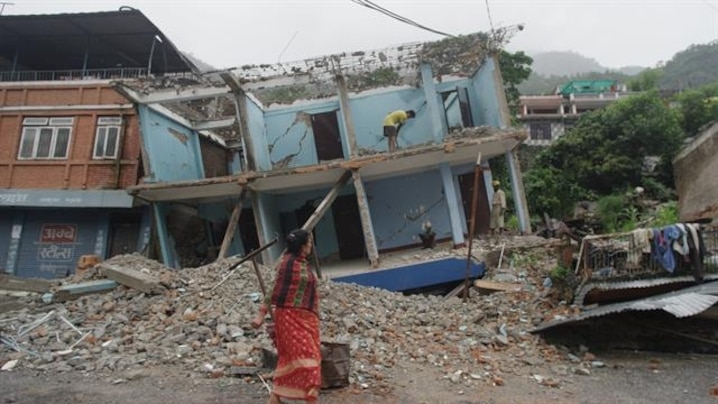
Tens of thousands of people died in the predawn quake, most crushed in the collapse of buildings. Although many of the structures were believed to be earthquake resistant, shoddy construction and inappropriate materials turned them into death traps.
Adding to the damage, the fault runs directly through heavily populated areas. Many buildings were destroyed because they straddled the fault and were torn apart.
The infrastructure in the regionone of the most industrialized areas of Turkeywas decimated, and many people have moved away. Gölcük, a town hit hard, had 80,000 residents before the quake. A year later only 25,000 remained.
The North Anatolian Fault is one of the longest and most studied faults in the world. It extends for 1,000 miles (1,600 kilometers), from eastern Turkey to Greece, and has generated 13 major quakes since 1939.