From National Geographic experts to increasing numbers of us at home, we all know the impact that growing, processing, packaging, and consuming products is having on our planet. For individuals, and the companies that supply us, it’s time to act in a way that’s future positive.
The strength and versatility of this human-made material has seen it spread to almost every area of life—and all over the planet. If we can’t live without it, how can we innovate to live with it?
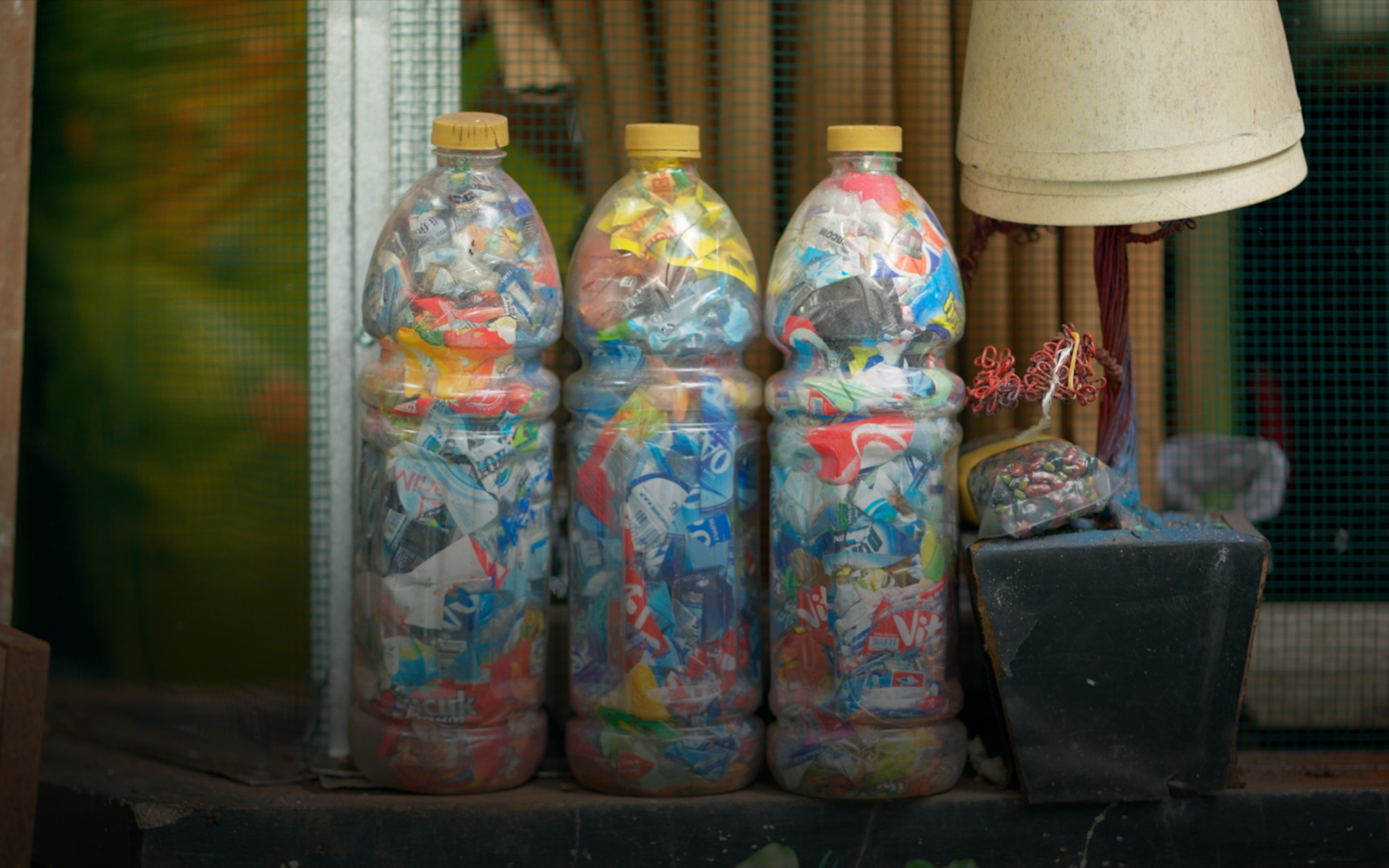
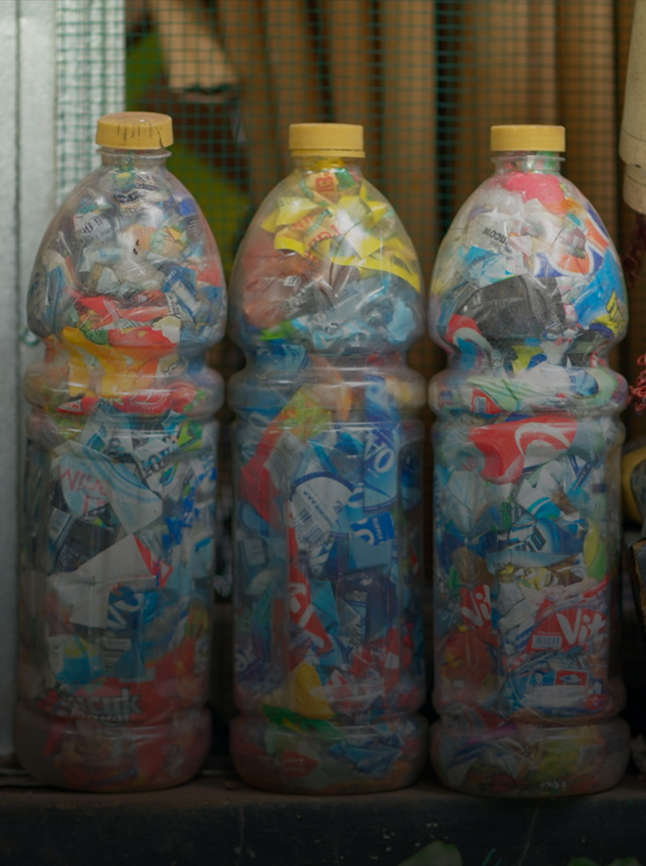
Plastic has penetrated our ecosystems at almost every level. Marine Biologist and National Geographic Explorer Justine Ammendolia investigates what can be done to reduce plastic waste.


As the world's forests continue to shrink, how can technology from satellites to smartphones be used to win the war against illegal deforestation?
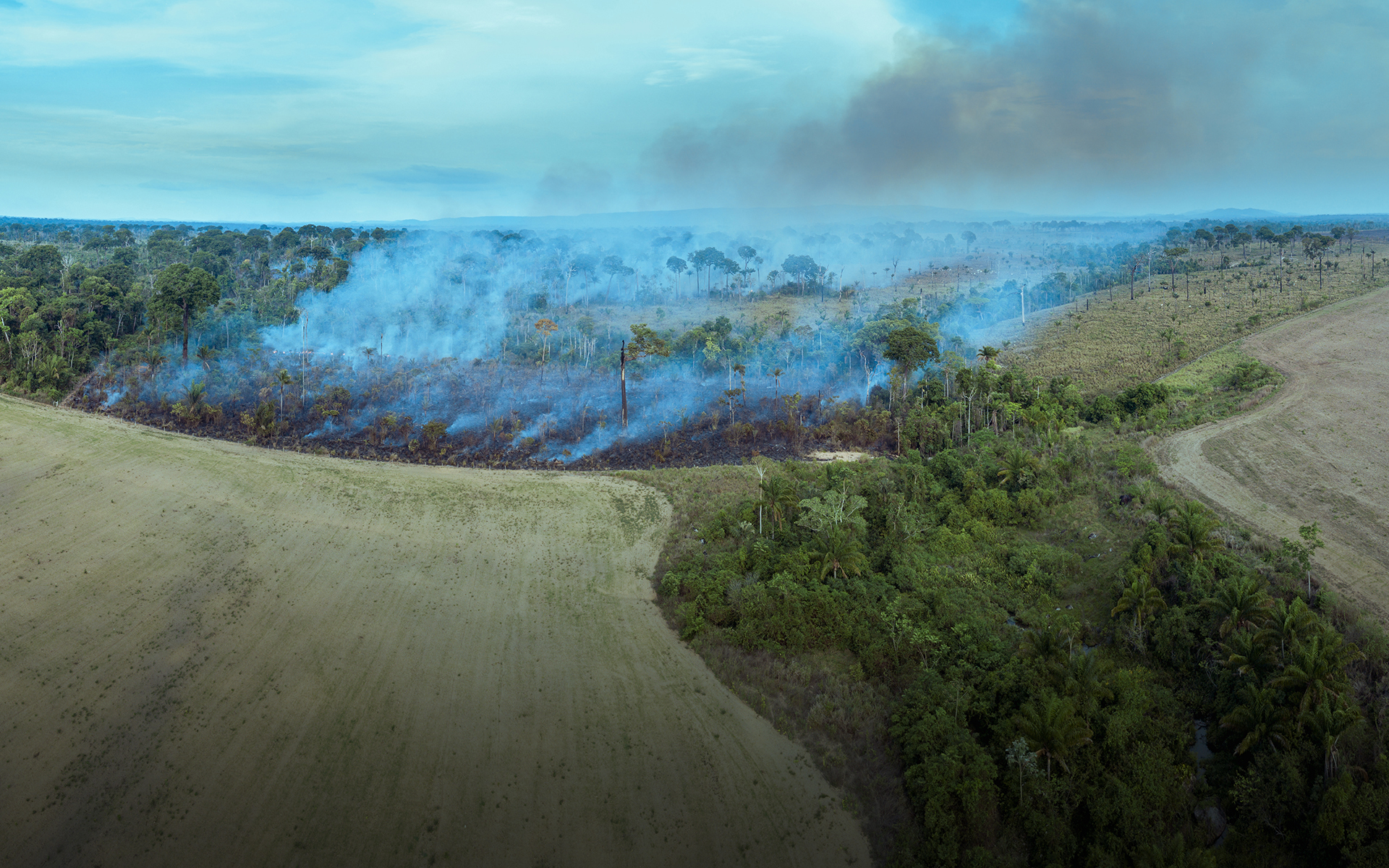
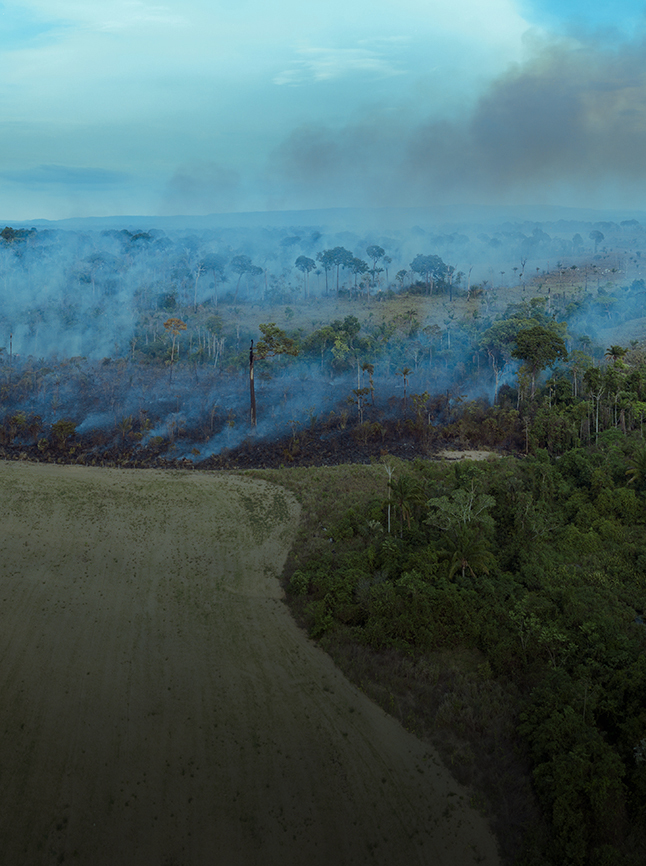
Forests are integral to combating threatened biodiversity and climate change, yet 15 billion trees are cut down every year. National Geographic Explorer and conservation lobbyist KM Reyes looks in to why this happens and how to stop it.
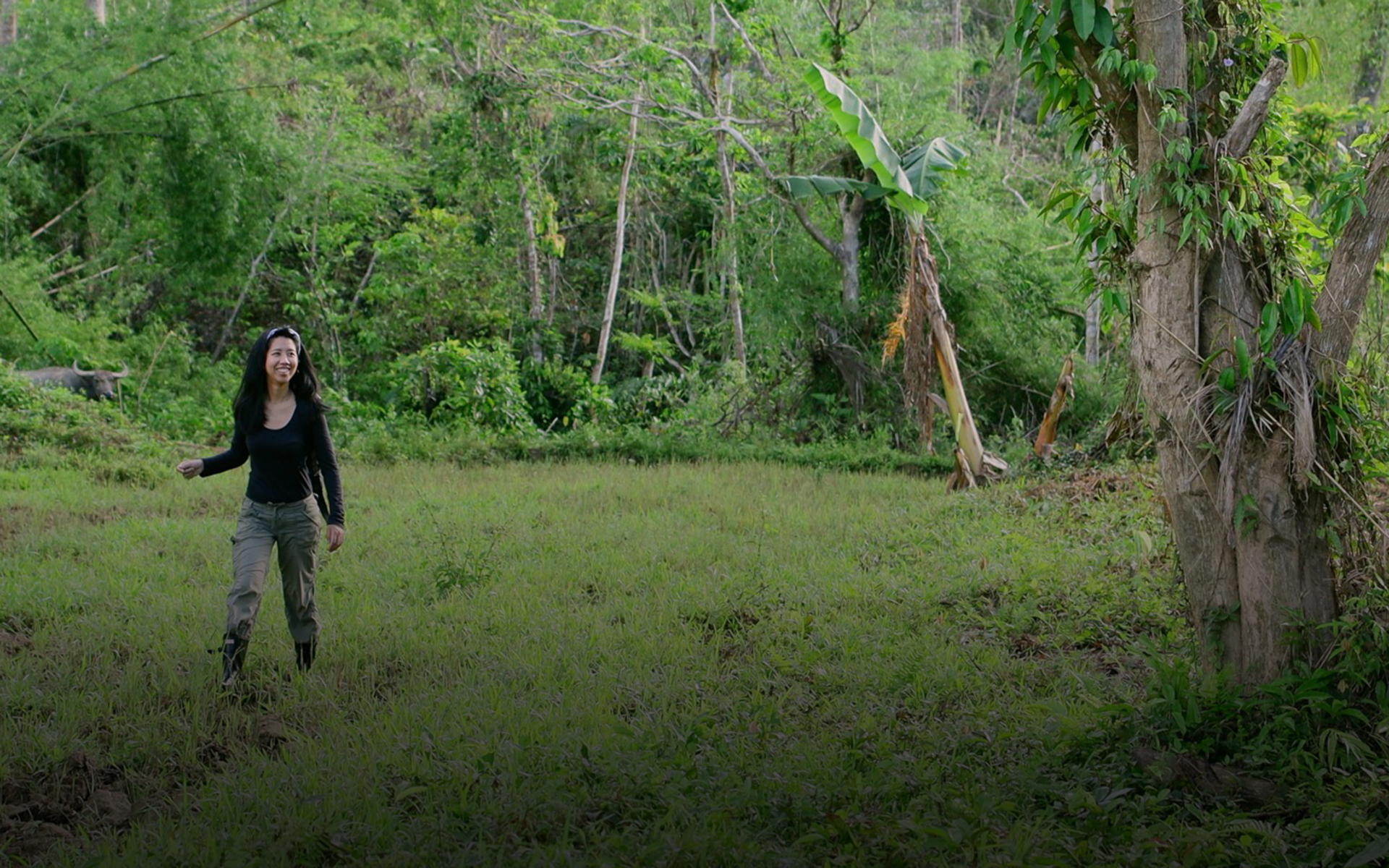
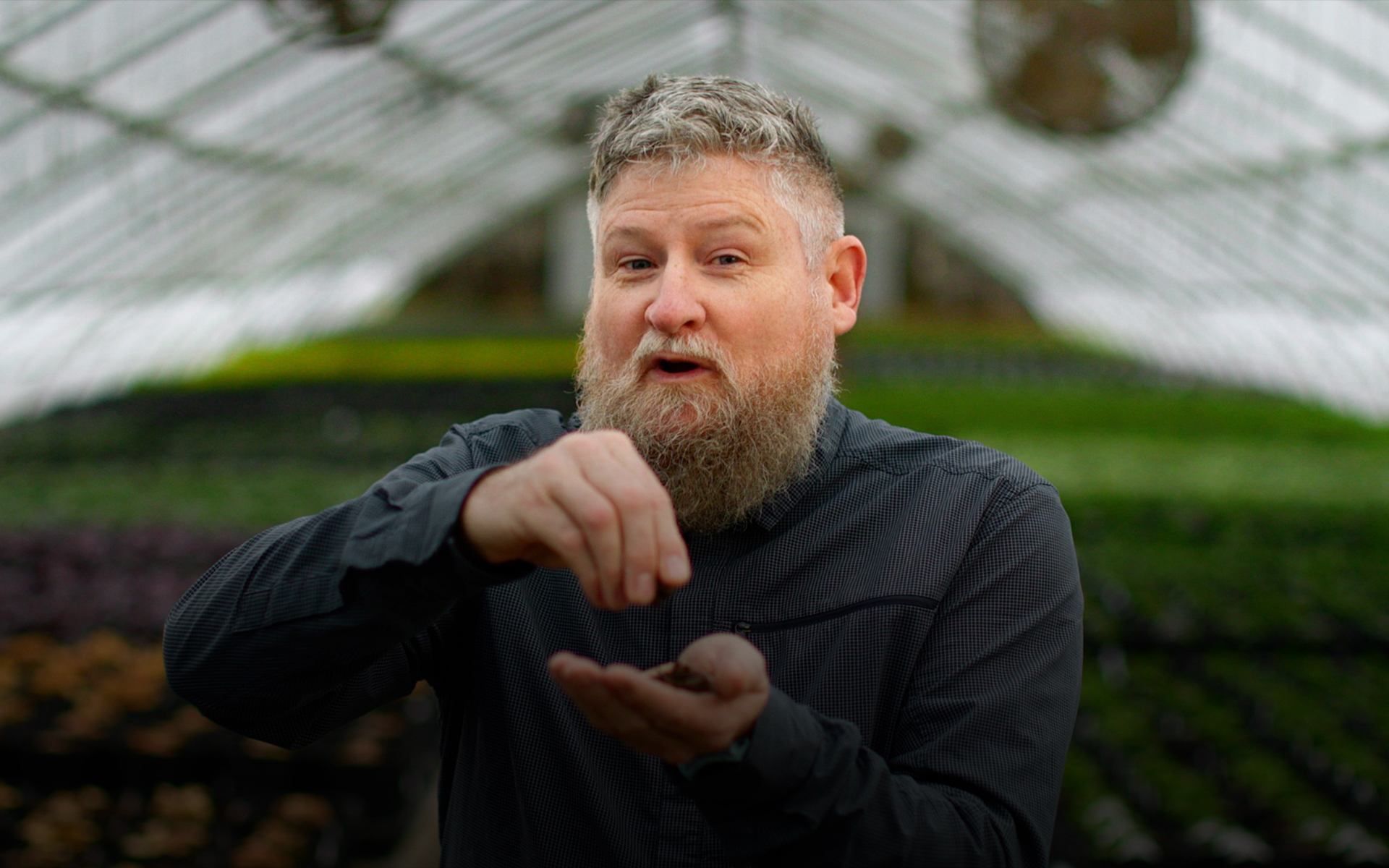
Soil is failing across the world: every five seconds a soccer pitch of soil is eroded. What can we do to restore a healthy balance to the soil we need to survive?
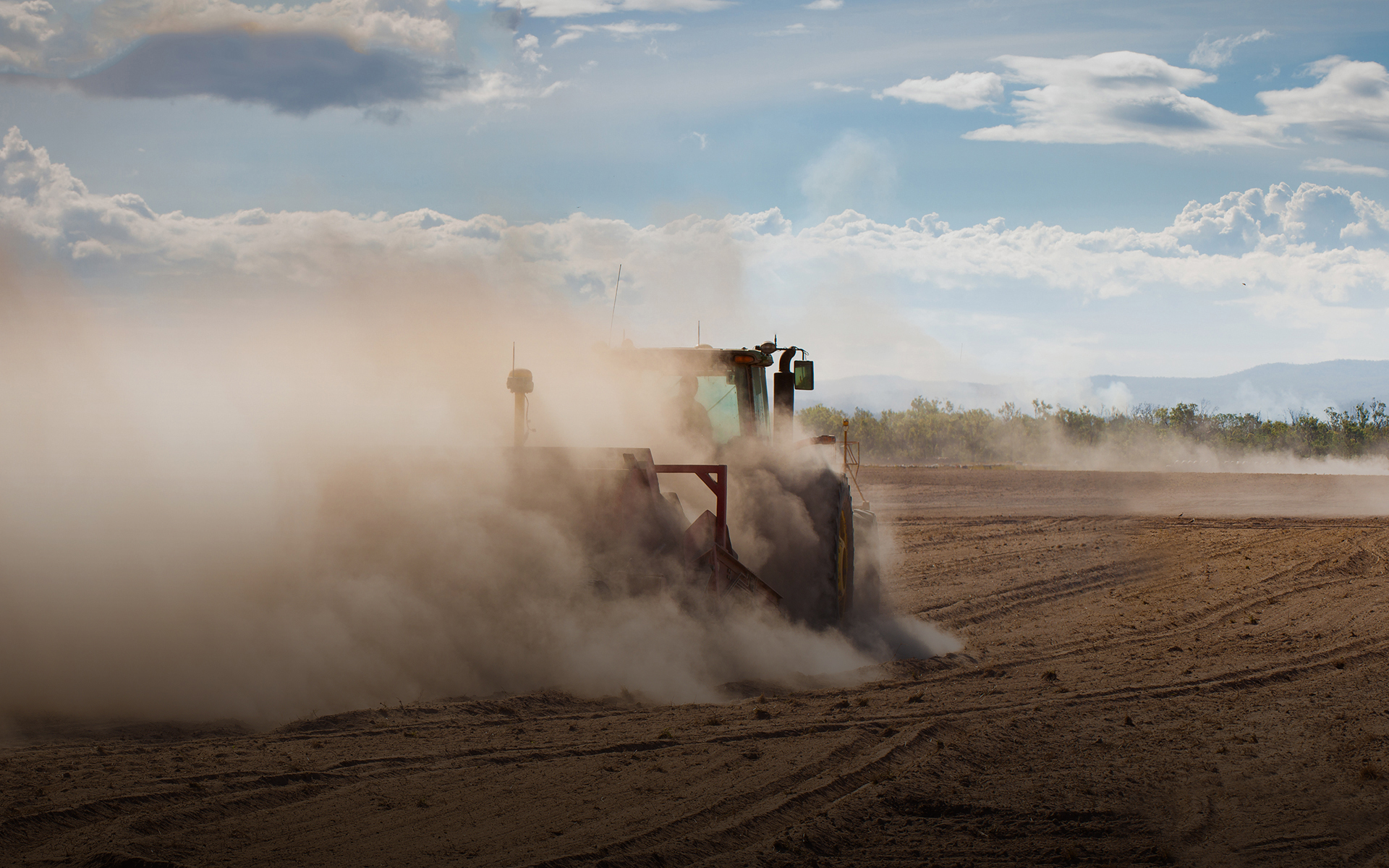
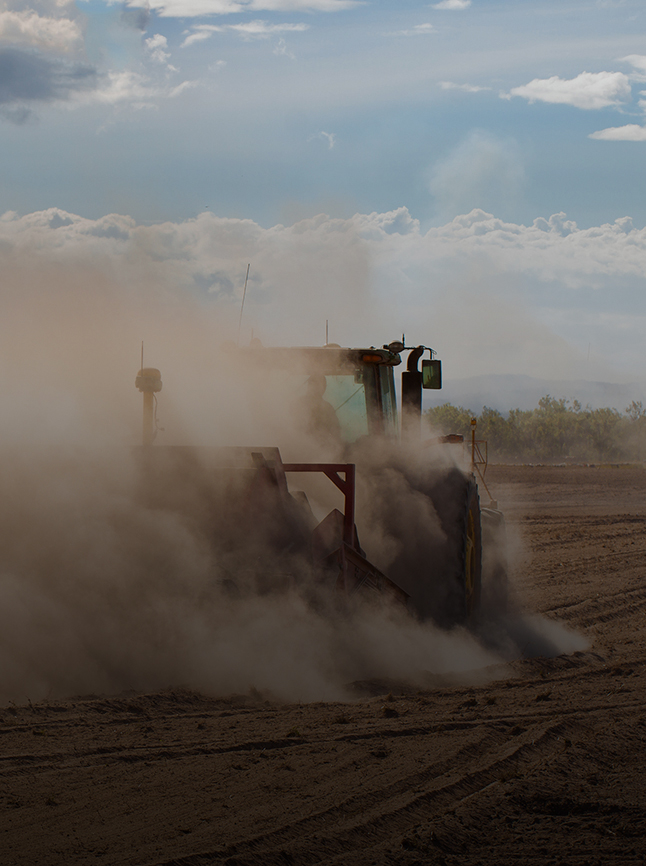
Soil filters our water and grows our crops, but 95 percent of the food we eat is grown in topsoil that’s being degraded by human activity. National Geographic Explorer and sustainable agriculture advisor Jerry Glover looks at improving the ways we produce food.
With 10 percent of the world subsisting in extreme poverty, a global commitment to a living wage could help transform lives.
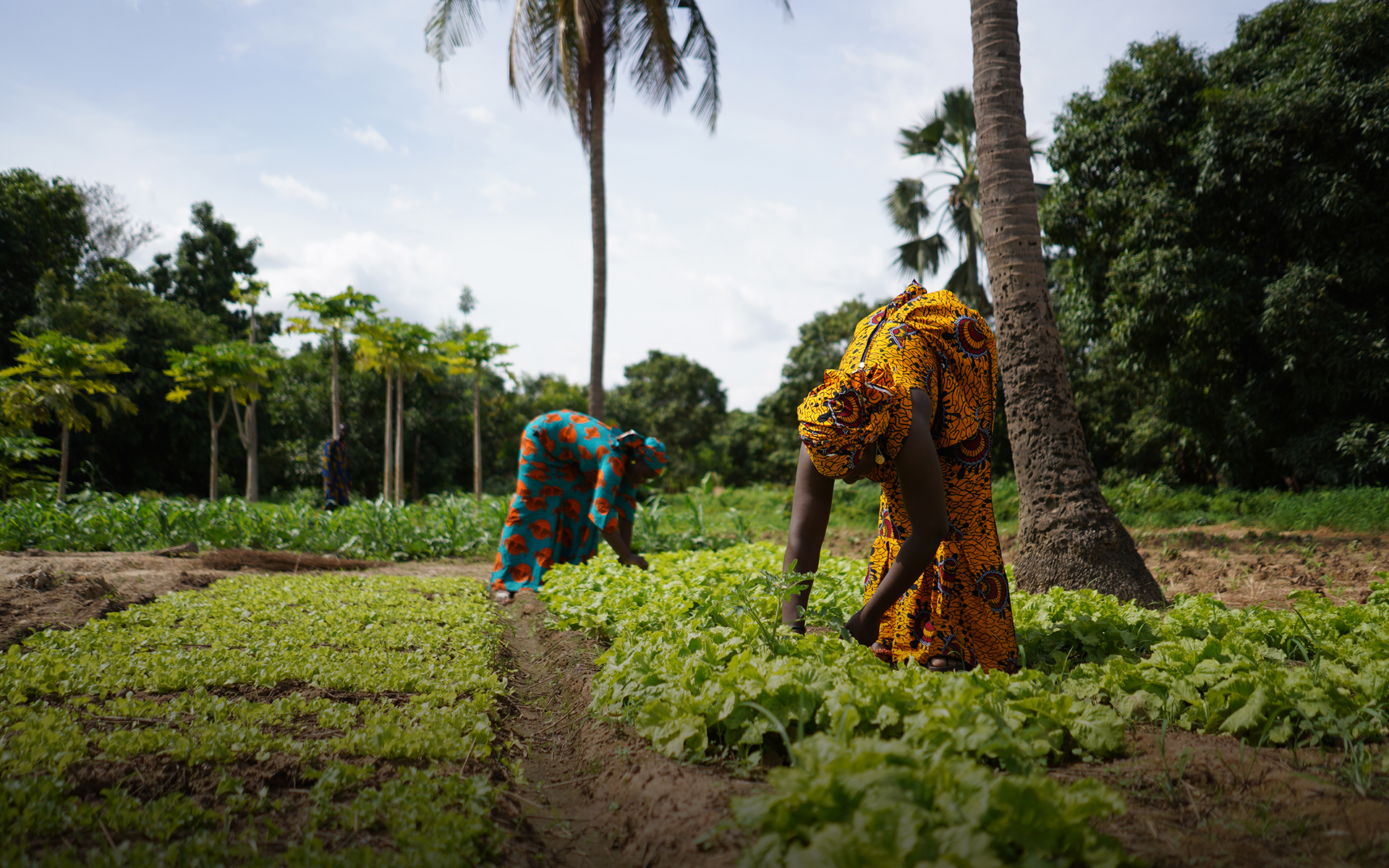
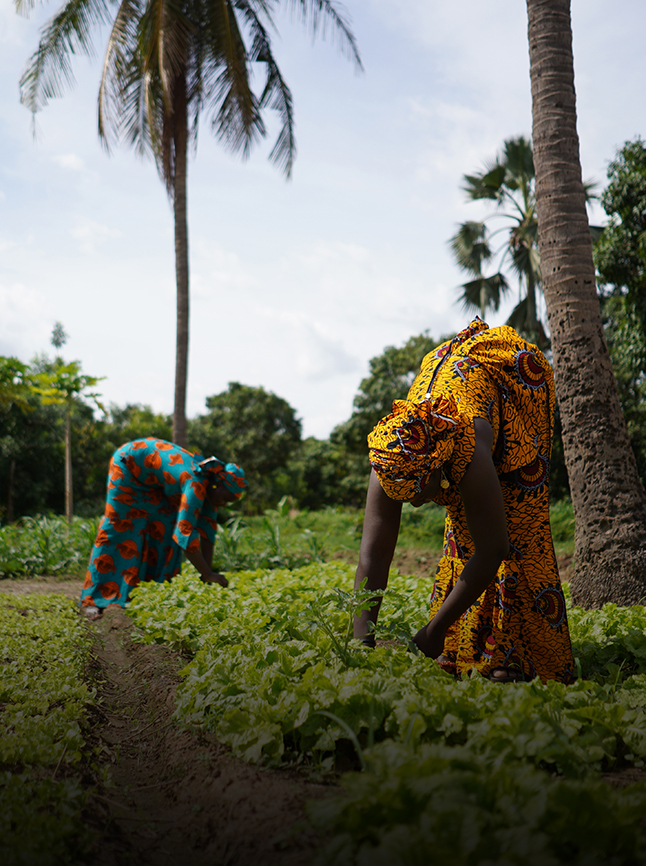
Nearly one in ten people subsist on less than $2 a day. National Geographic photographer Rena Effendi investigates how a living wage could help bring an end to extreme poverty.