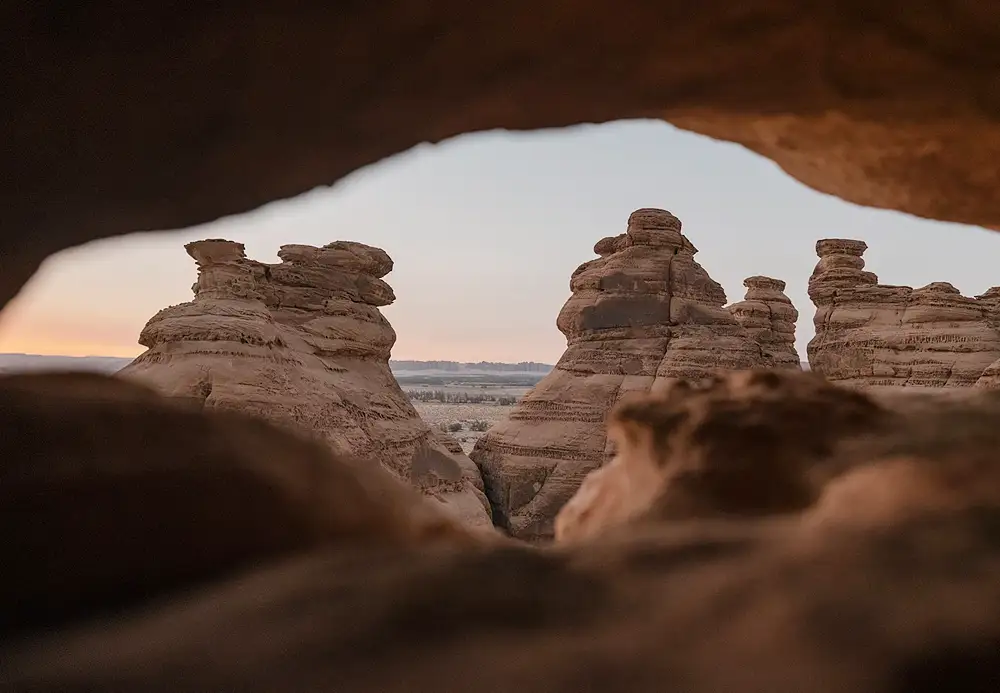
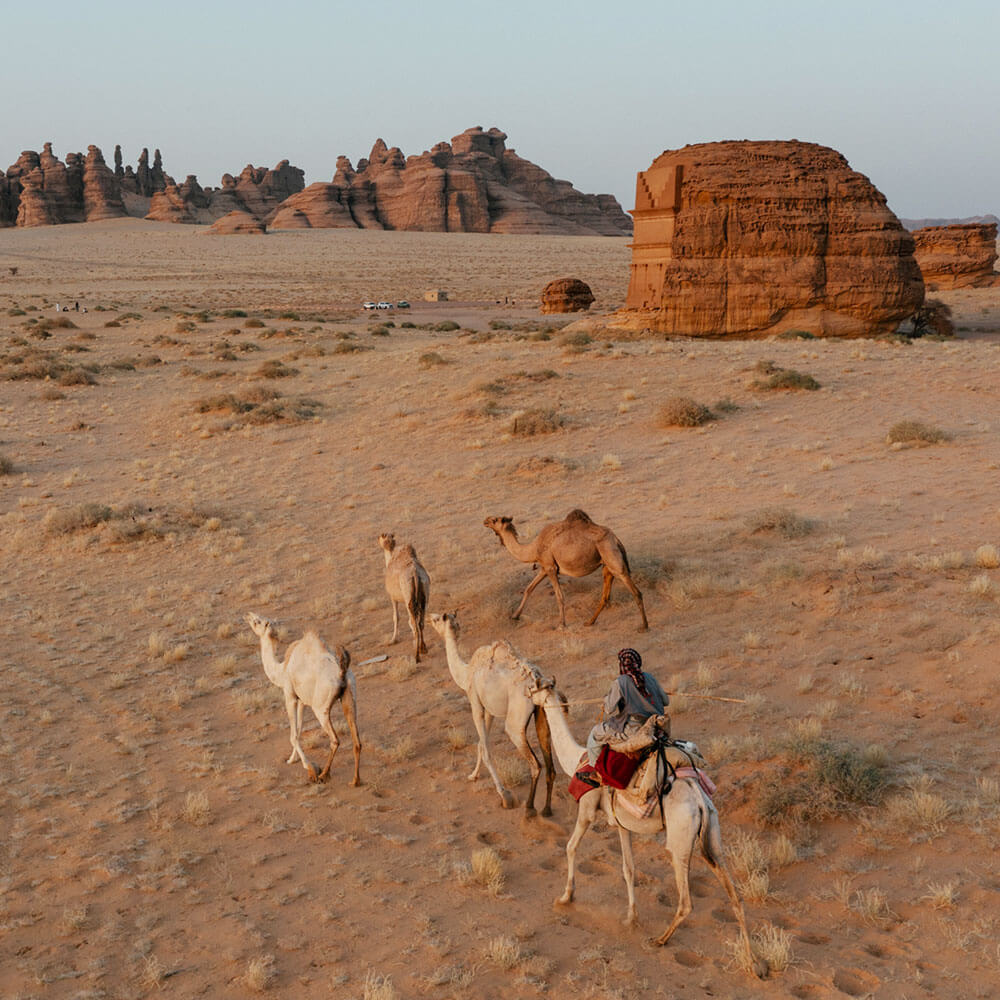
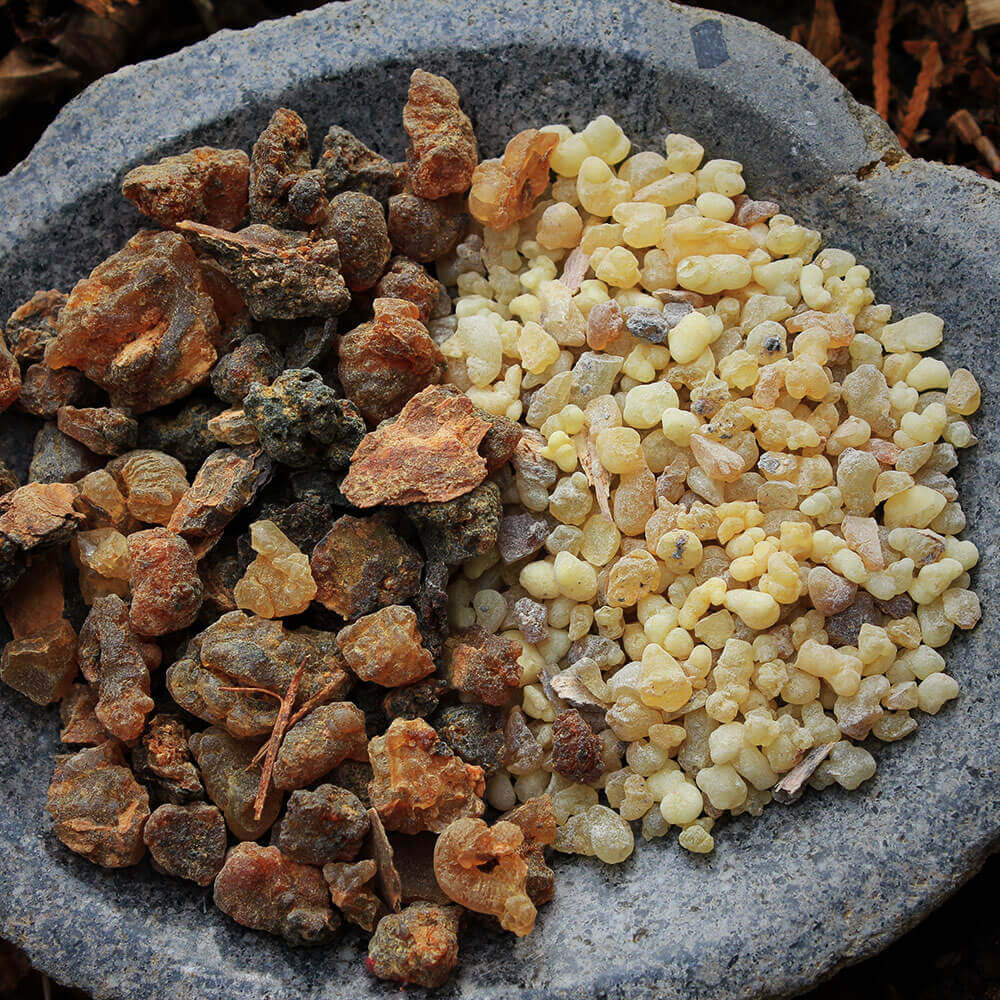
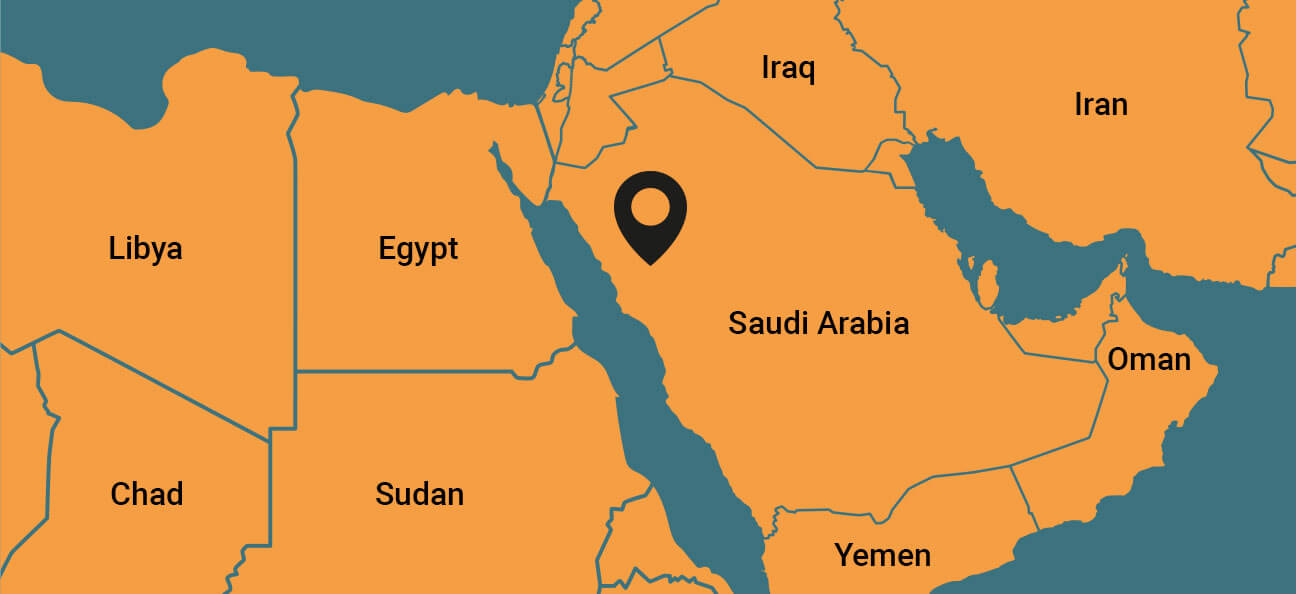
In the deserts of Saudi Arabia, the breathtaking oasis of AlUla has nourished and sustained human occupation for thousands of years. With wealth generated by the incense trade and agriculture, powerful ancient kingdoms grew and flourished in the valley: commerce, art, languages, and ideas have long ebbed and flowed among its date palms. Now, we are beginning to discover what this cinematic landscape can teach us about the peoples of the past who called AlUla home.
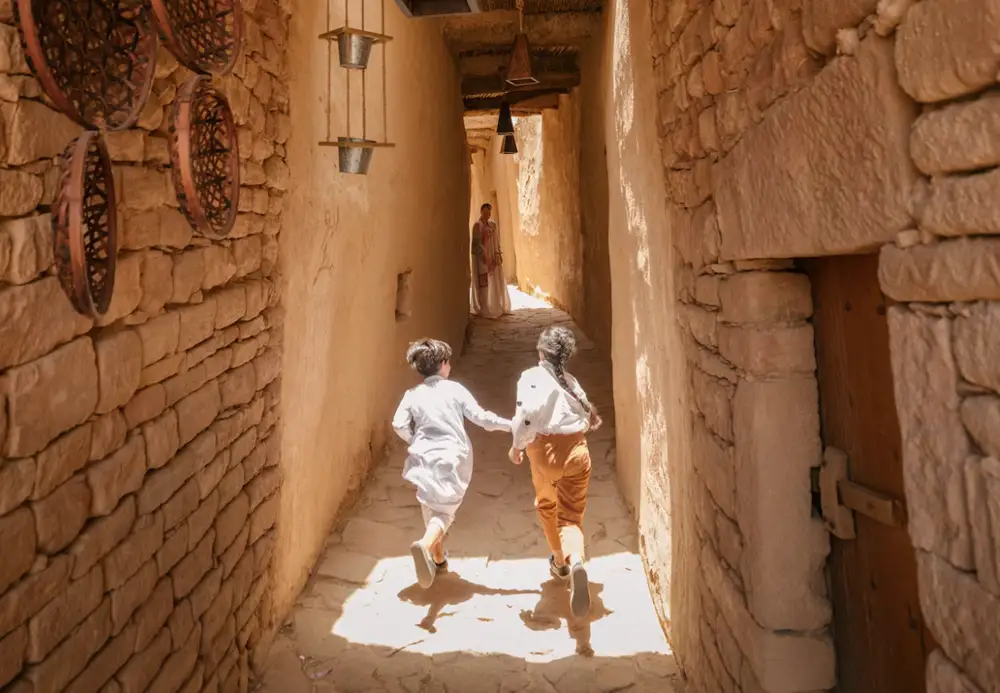
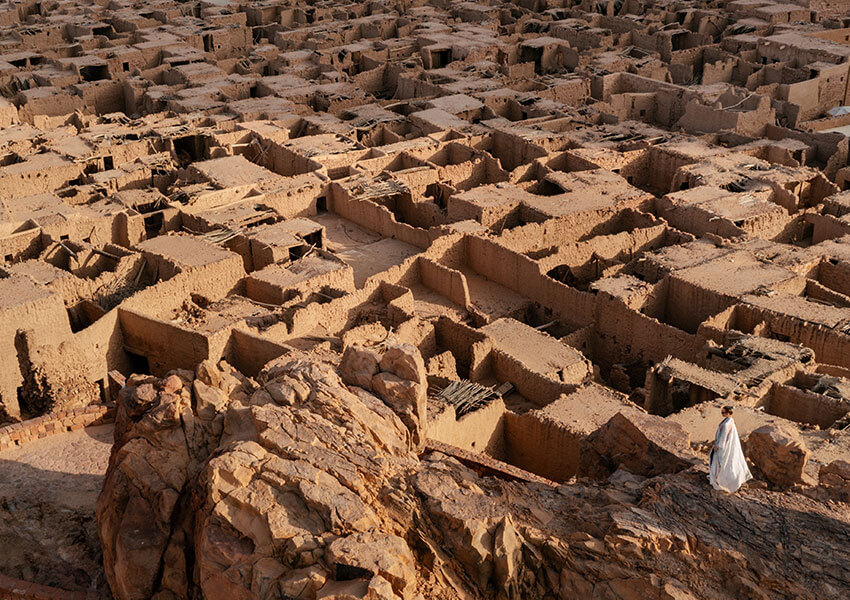
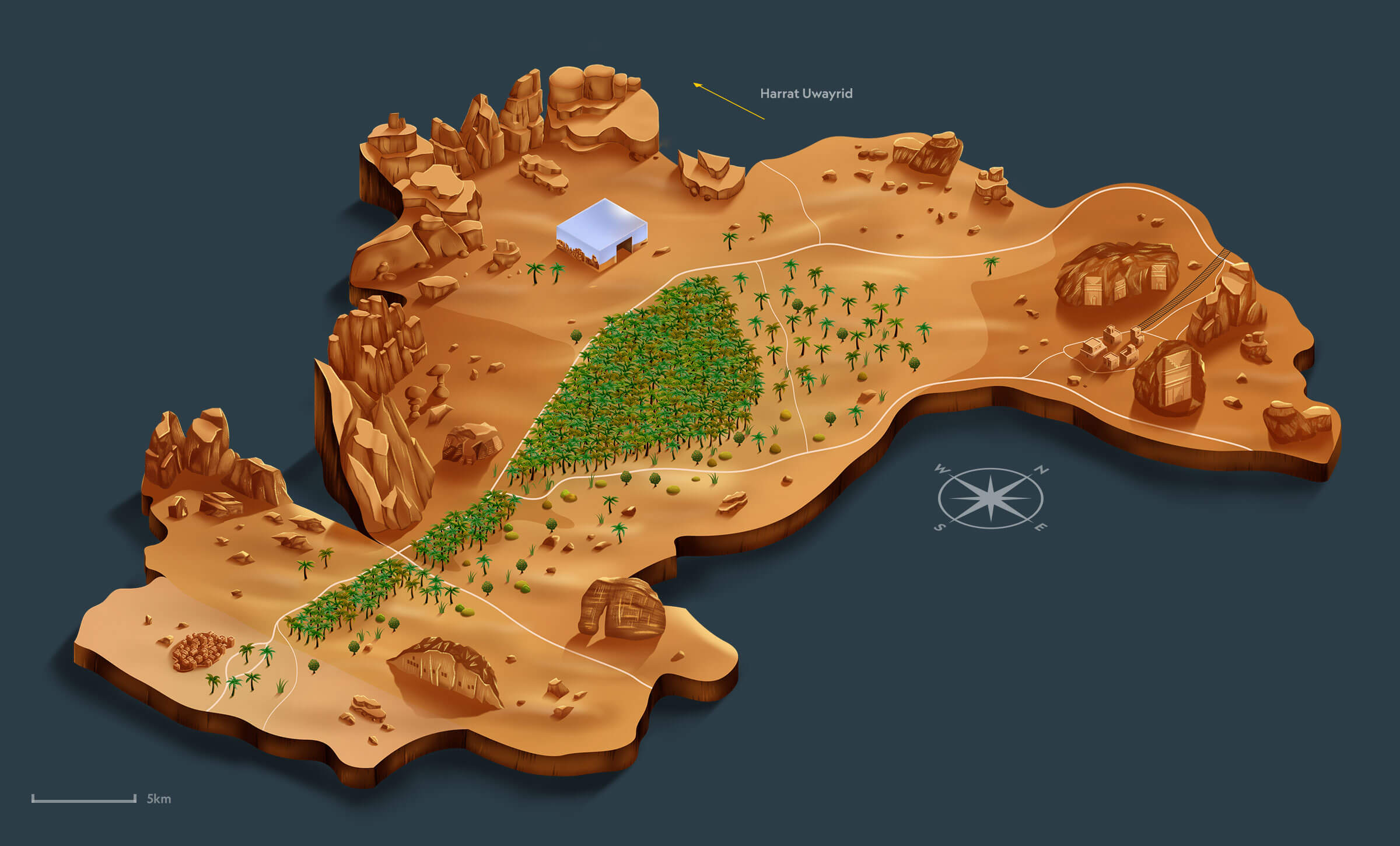
Occupied from the end of the 12th century until the 1980s, Old Town was an important waypoint on the Makkah pilgrimage route. Overlooked by an ancient citadel, its outermost houses formed a defensive wall enclosing more than 900 homes, many with colourful murals, crowded together to create an evocative maze of streets and squares that echo with history.
Find out more
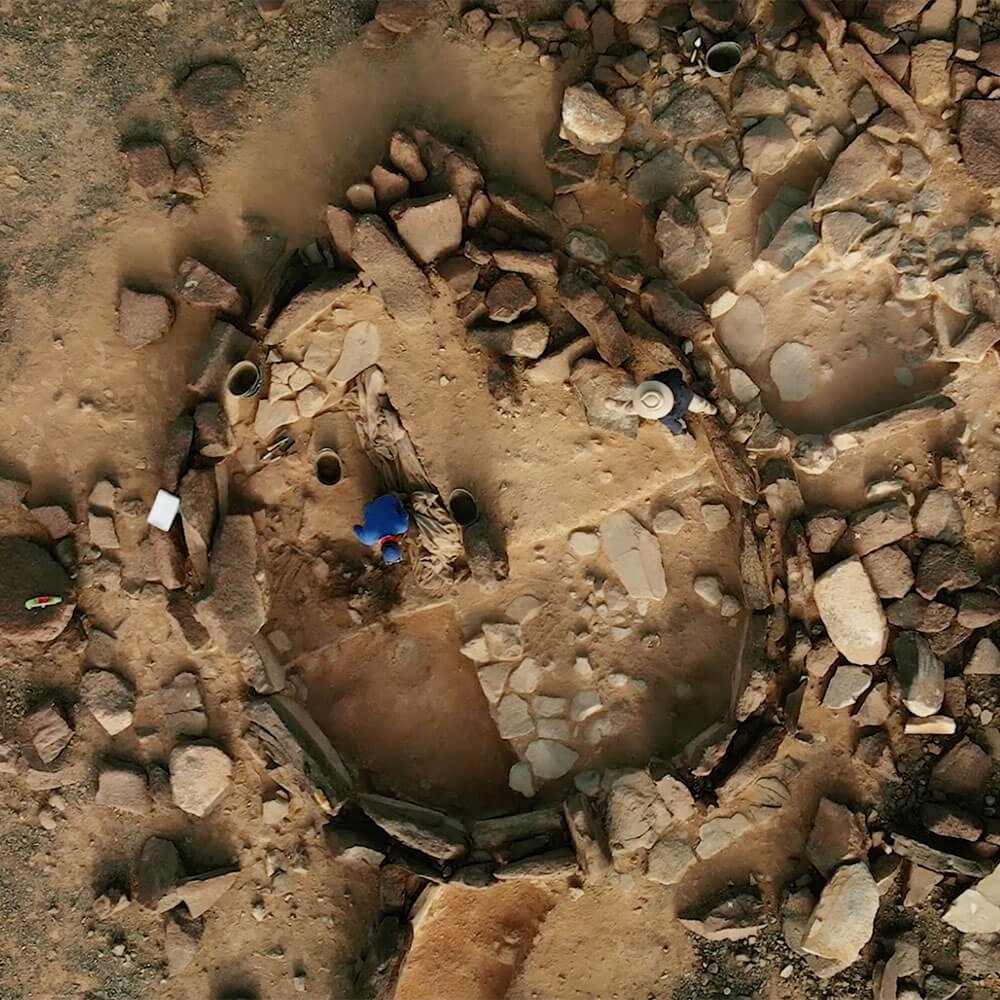
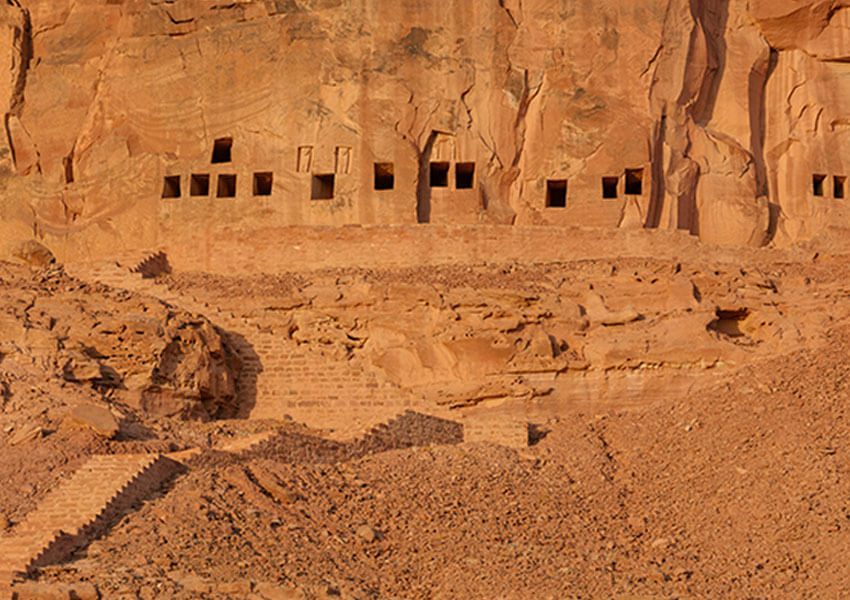
From the first millennium BCE, the oasis city of Dadan, capital of the Dadanite and later Lihyanite kingdoms, dominated the lucrative trade of exotic goods along the Incense Road. Archaeological excavations have revealed finely crafted stone buildings including temples and fortifications, as well as innovative water management systems, all evidence of the wealth and power of these ancient civilizations.
Find out more
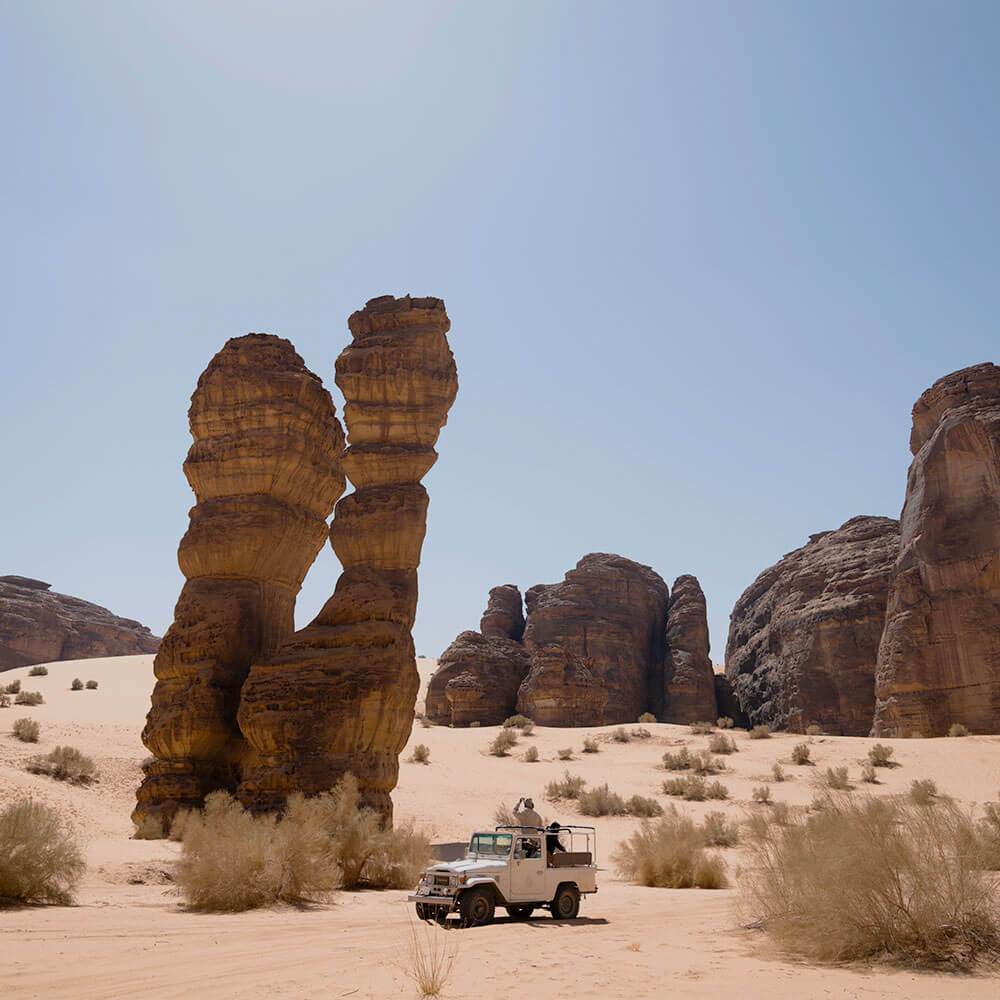
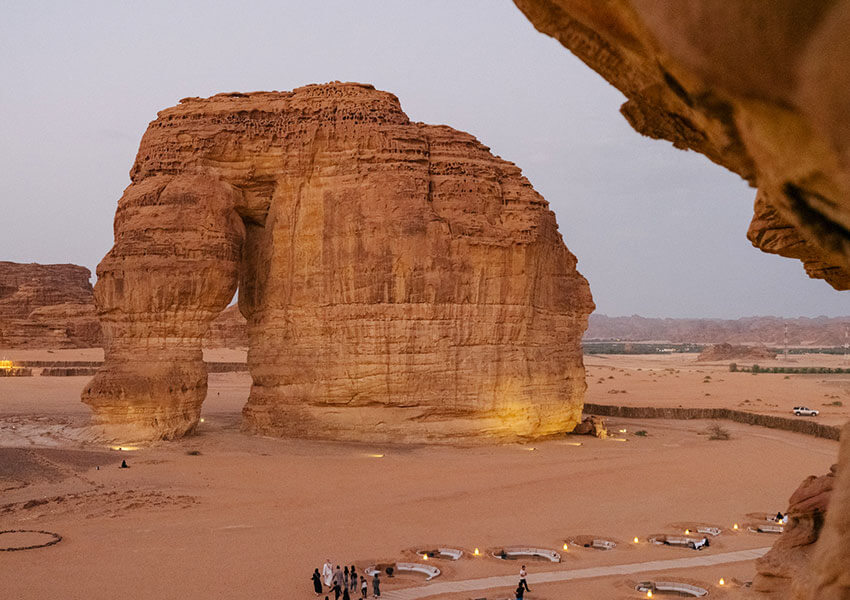
Rising from the golden desert sands, the unmistakable outline of a giant elephant soars three-storeys into the sky. Unlike Hegra’s precision carved tombs, Elephant Rock is a monumental geological feature sculpted by the elements alone, millennia of wind and water shaping the red sandstone into a form that inspires wonder and awe.
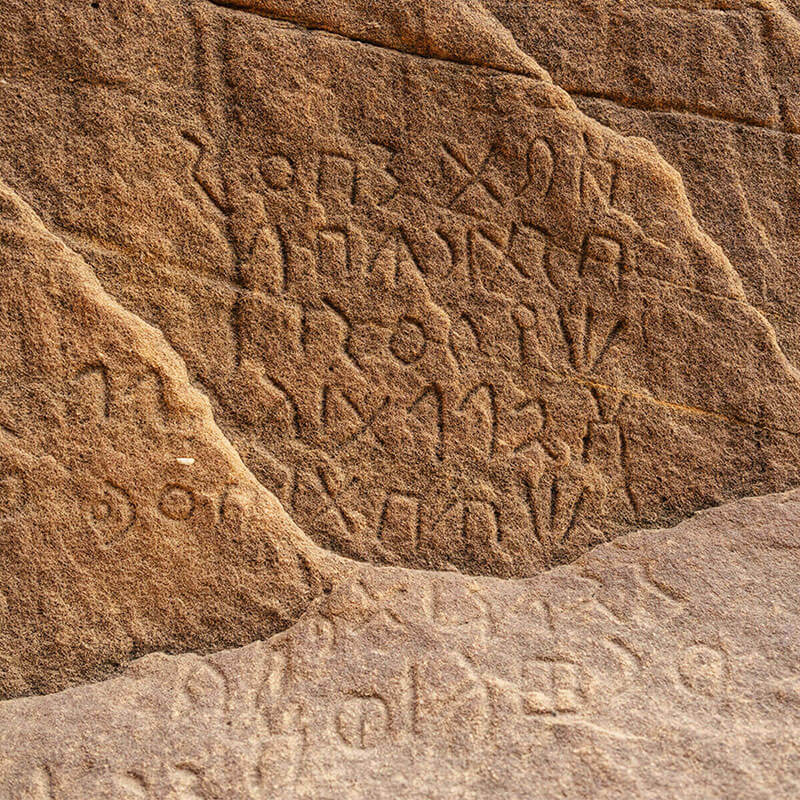
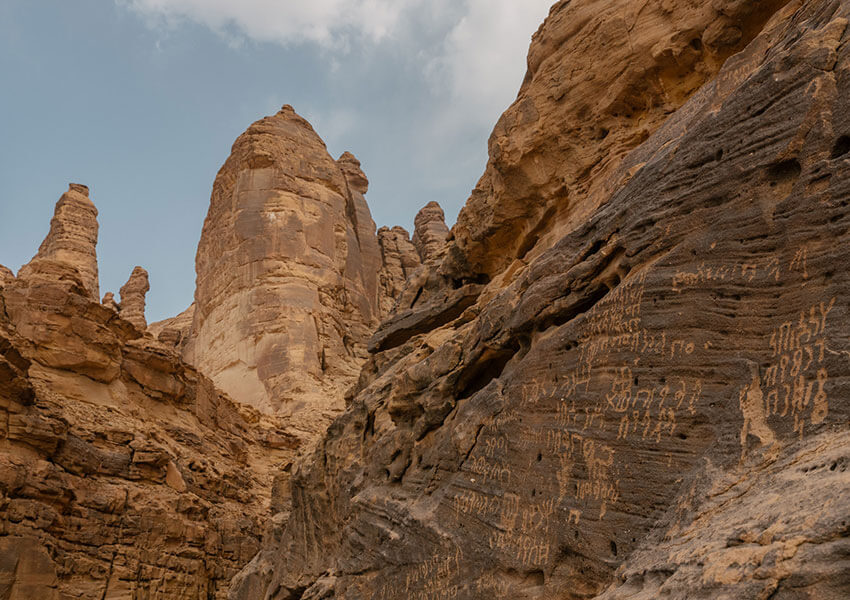
Wherever you turn in Jabal Ikmah, you are surrounded by ancient writings. From the first millennium BCE, locals and travellers came to this remote canyon to inscribe their thoughts, forming Arabia’s largest and most astonishing open-air library—a unique insight into the evolution of Arabic, and history at its most intimate.
Find out more
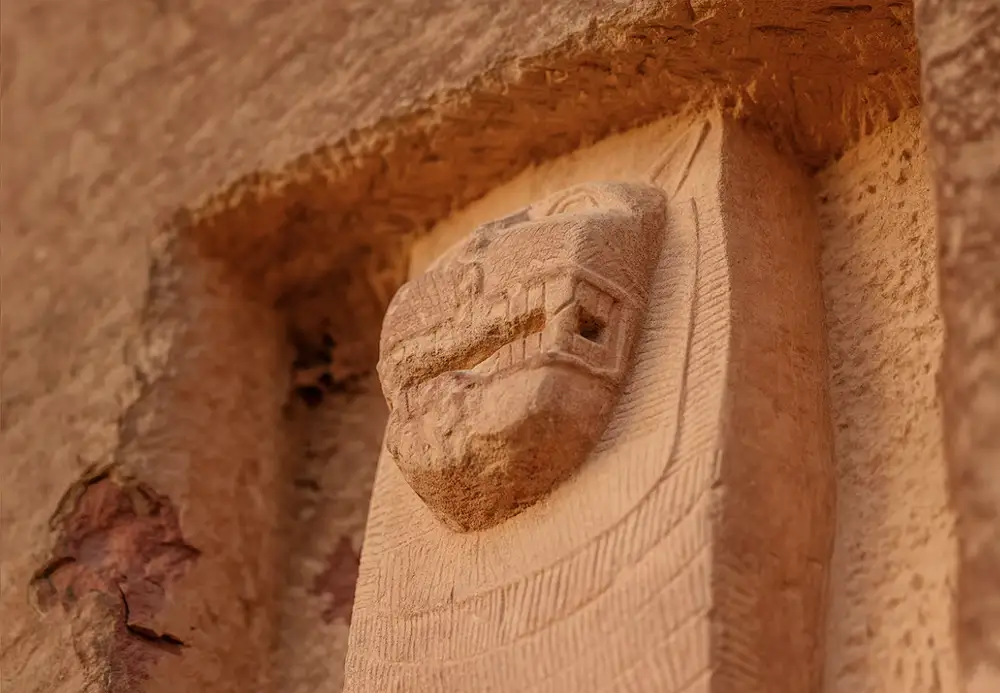
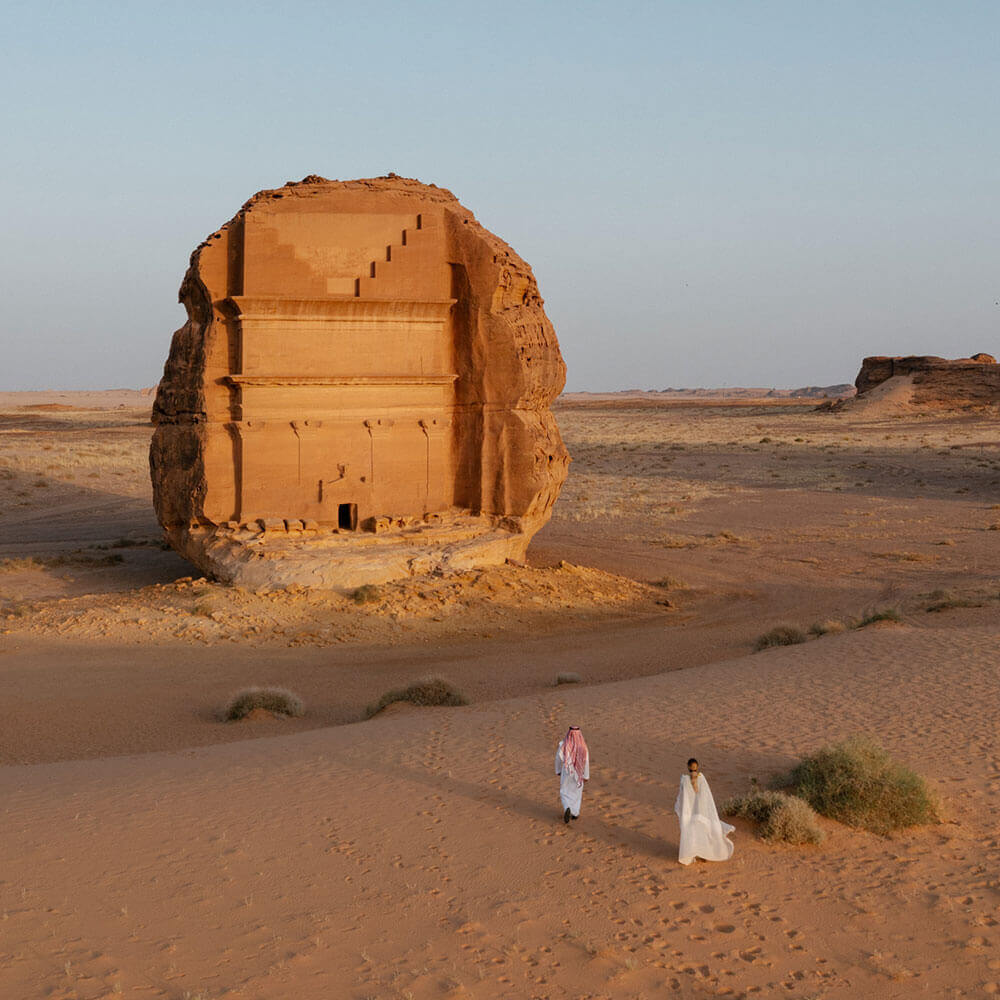
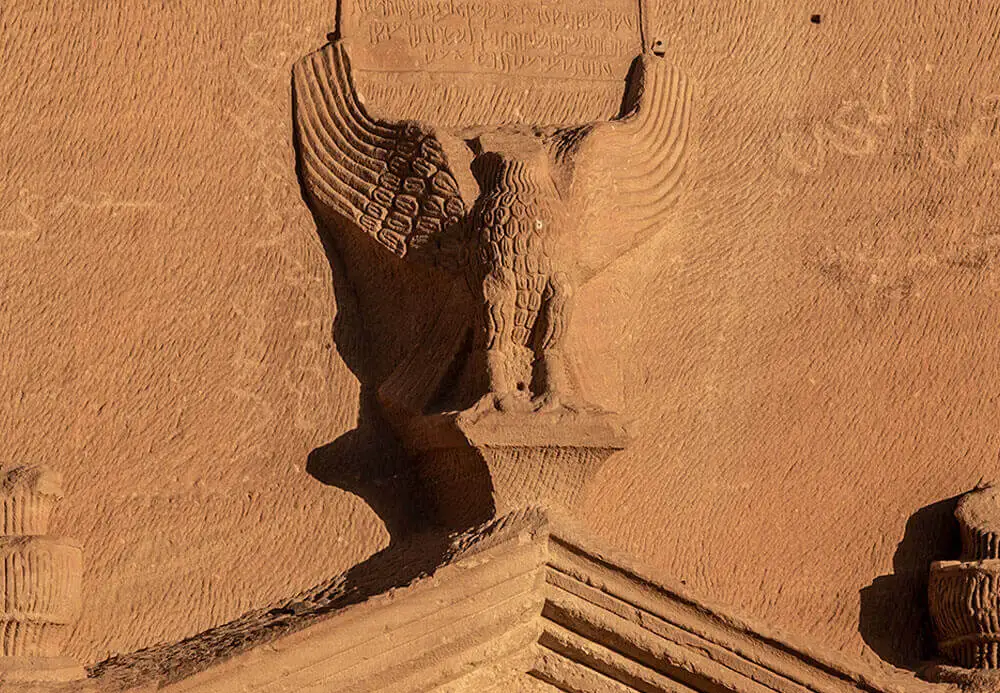
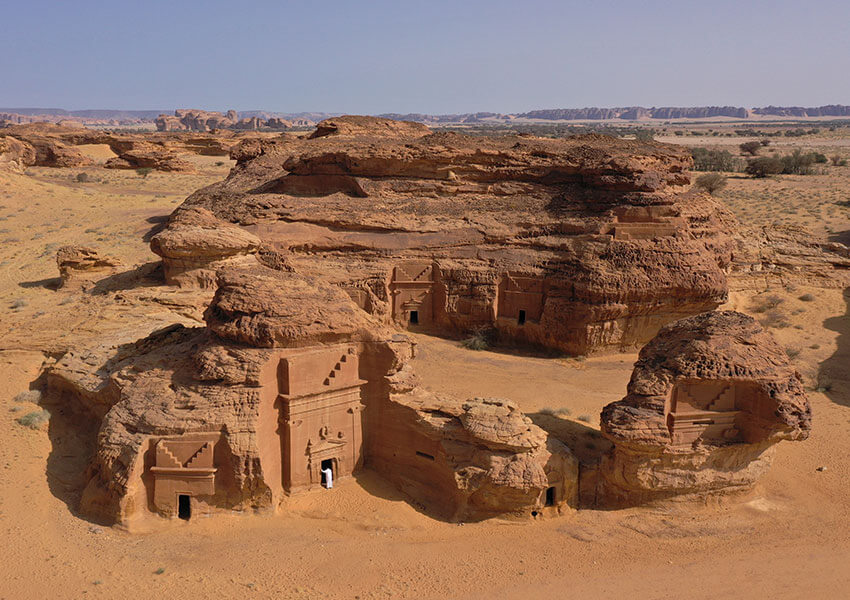
The Nabataean city of Hegra peaked, between about 50 BCE to 106 CE, during which time their skilled stonemasons crafted the beautiful monumental tombs for which it is famous. The city’s architecture and archaeology bears witness to important cultural exchanges between ancient civilisations, earning Hegra’s inclusion on UNESCO’s World Heritage register.
Find out more
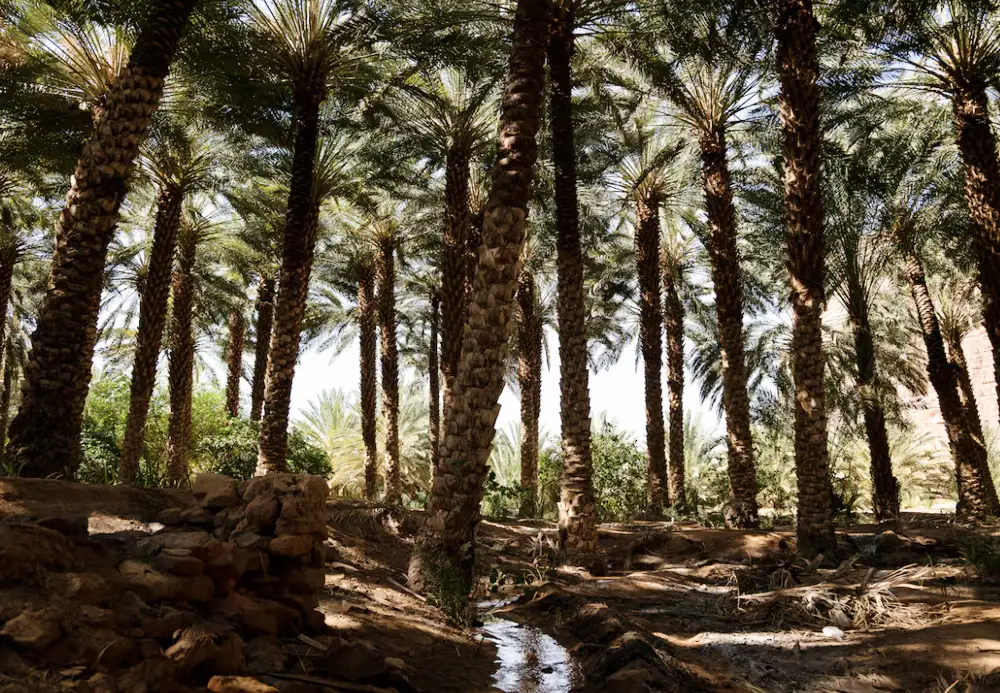
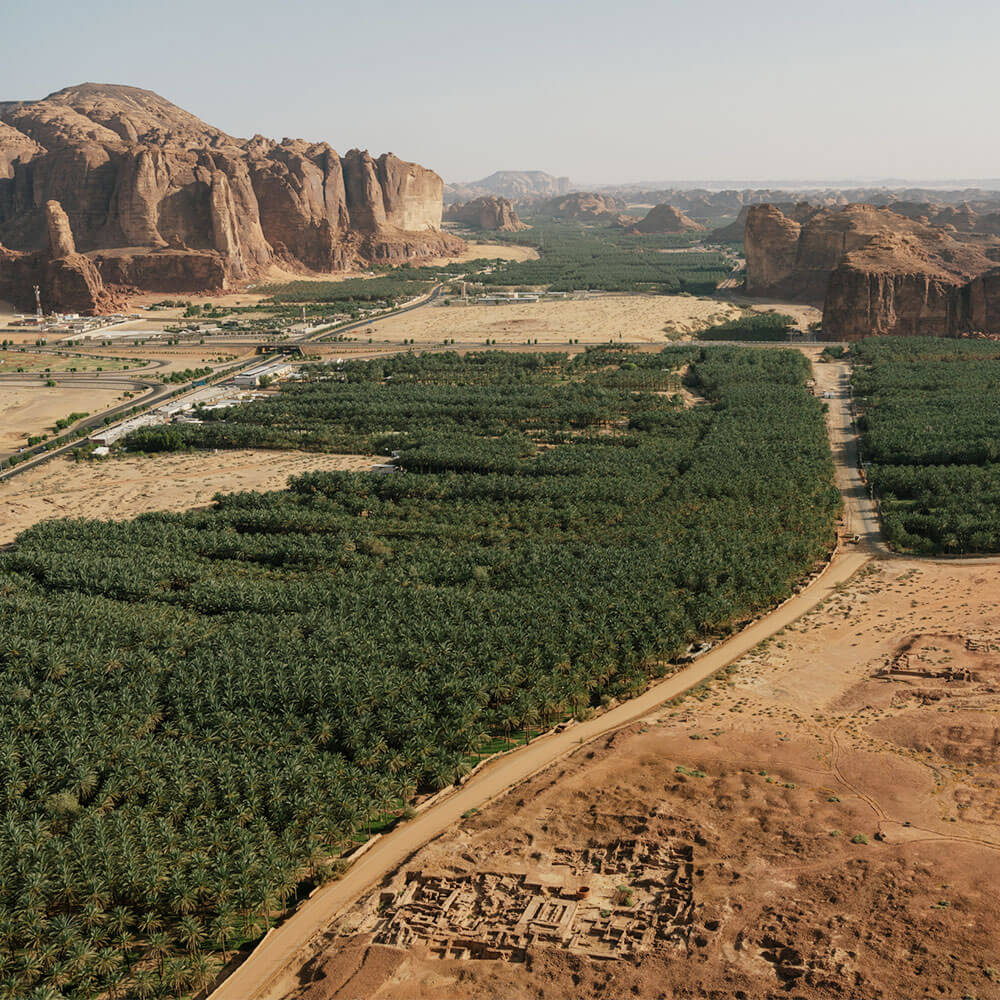
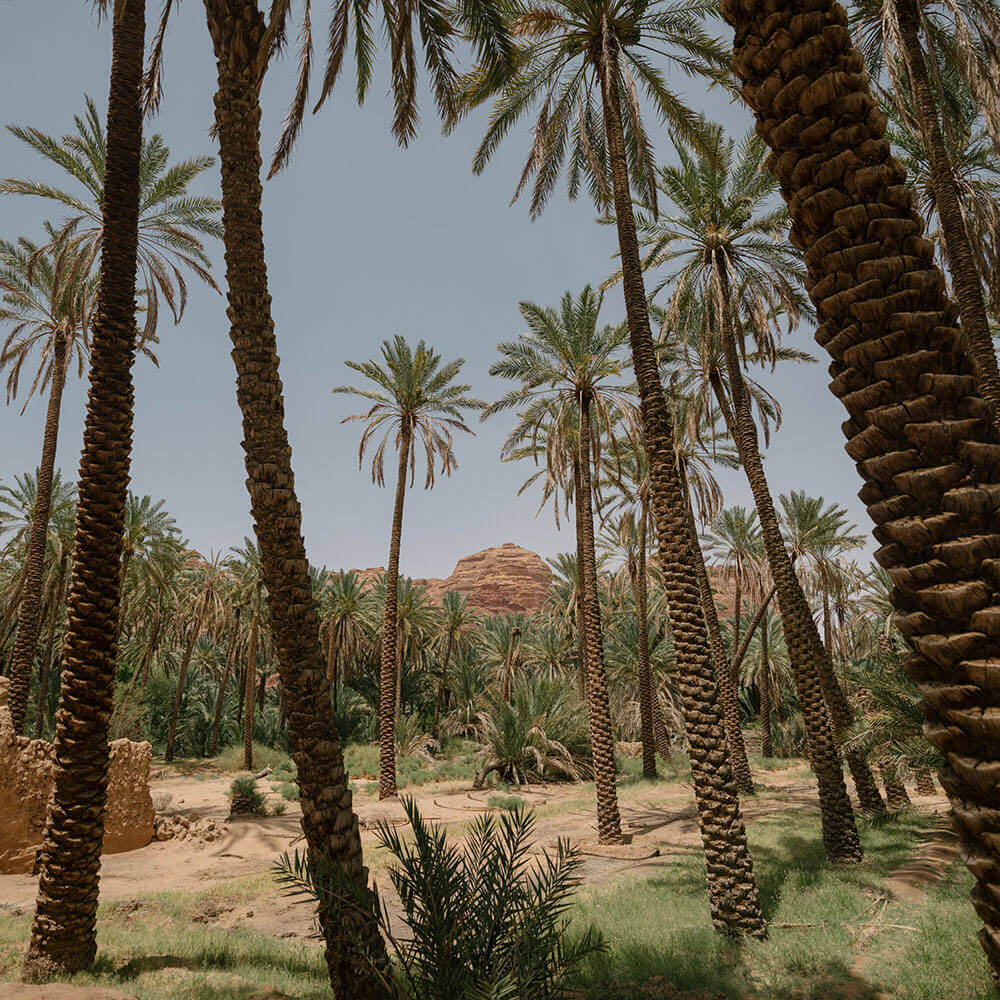
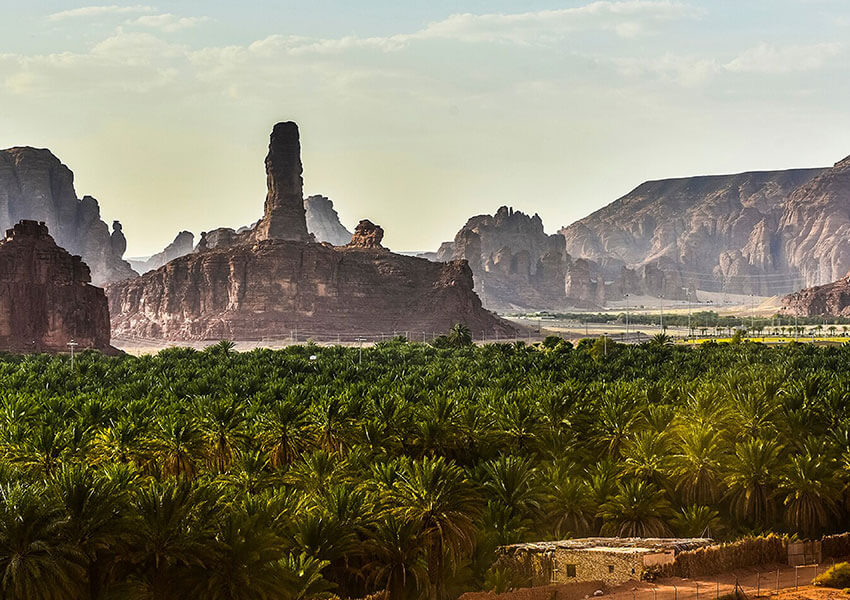
The AlUla valley is an oasis, an island of habitable land amidst Saudi Arabia’s vast seas of sand. Here, underground waters were used as fertile land where plants and animals could thrive. Humans settled and developed agriculture, growing wheat, barley, and palm dates in a haven that supported communities and offered succor to travelers.
Find out more