American craft sake is booming—and now it has set its sights on Japan
American-made sake is on the rise, with craft breweries redefining the traditionally Japanese fermented rice beverage for drinkers across the U.S. — and beyond.

From durable denim to convenience stores stocked with every imaginable essential, Japan has a knack for adopting American imports, perfecting them and making them their own. Now, Americans are trying to turn the tables by taking on that most Japanese of alcoholic beverages: sake.
In March 2025, New York City’s Brooklyn Kura became the first American craft sake brewery to export to Japan. Bottles are now available at bars, restaurants and shops across the archipelago, the result of a partnership with Japanese sake brand Hakkaisan. “The move makes perfect sense,” says Timothy Sullivan, director of education at Brooklyn Kura’s Sake Studies Center. Japan is the largest sake market, so the customers are there. But he also envisions this as a step towards revitalising Japan’s shrinking sake scene, showing Japanese consumers how passionate the world is about their drink.
After reaching its peak in the early 1970s, sake consumption in Japan — where the fermented rice beverage is seen by some younger drinkers as a stuffy order — has continually fallen. But the decline of local interest has been offset by growing global demand, particularly from the US, the biggest market for exports from Japan. Over the past decade, a boom has brought the number of craft breweries in the country to more than 20, with two in Brooklyn alone.
“We want to bring some cool back to sake,” says Timothy. Brooklyn Kura hopes that introducing new takes on the drink — such as infusing its Occidental sake with beer hops to lend it an IPA-like aroma — will entice younger generations in Japan. “The branding’s great, Brooklyn’s cool, but it’s not just optics,” he says. “When people taste it, they’ll be surprised at how good it is.” brooklynkura.com
Flavour forecast
SakéOne claimed to be America’s first successful craft sake brewery when it opened just outside Portland in 1997. “Oregon’s soft water is ideal for making fruity, floral sake,” says master brewer Takumi Kuwabara. “Combining Japanese tradition with the pioneering craft spirit of the Pacific Northwest proved to be a winning combination.”
When the brewery launched, America’s sake scene was largely made up of lower-end products. The brand’s approach, which focuses on premium bottles, was met with scepticism. “In the same way that California proved its wines could compete with those of France, great sake can be produced outside of Japan,” says Takumi. “As more breweries open, people won’t only be more accepting of sake made in America, they’ll seek it out.”
He believes discernible regionality will emerge, too. Jizake (small-batch local sake) has a distinct identity, such as the crisp and clean sake of Japan’s Niigata prefecture. “Beverages tend to be rooted in the food culture of each region,” says Takumi. “It’s something we’ll see in the US in the near future.”

Experiencing sake
Visitors to SakéOne can go behind the scenes on brewer-led tours and sample products in the tasting room. There’s a programme of events, too, from sake-blending classes to chocolate pairings and sip-and-paint evenings.
In New York’s Hudson Valley, two hours north of Manhattan, Dassai Blue brewery has exhibits on sake-making and hosts Japan-influenced meetups, from wagashi (sweets) workshops to open-air Godzilla screenings. Over in Arkansas, travellers can soak in a natural pool at Hot Springs National Park then order a bottle at Origami Sake, just five minutes away.
And Brooklyn Kura’s Sake Studies Center is the country’s only sake school attached to a working brewery. It offers lessons in the art of drinking and pouring sake, from a one-and-a-half-hour tasting session to a day-long serving course. “We can step out of our classroom and walk right through our facility,” says Timothy. “People get a brewery tour, guided tasting and class all in one.”
Three sakes to try
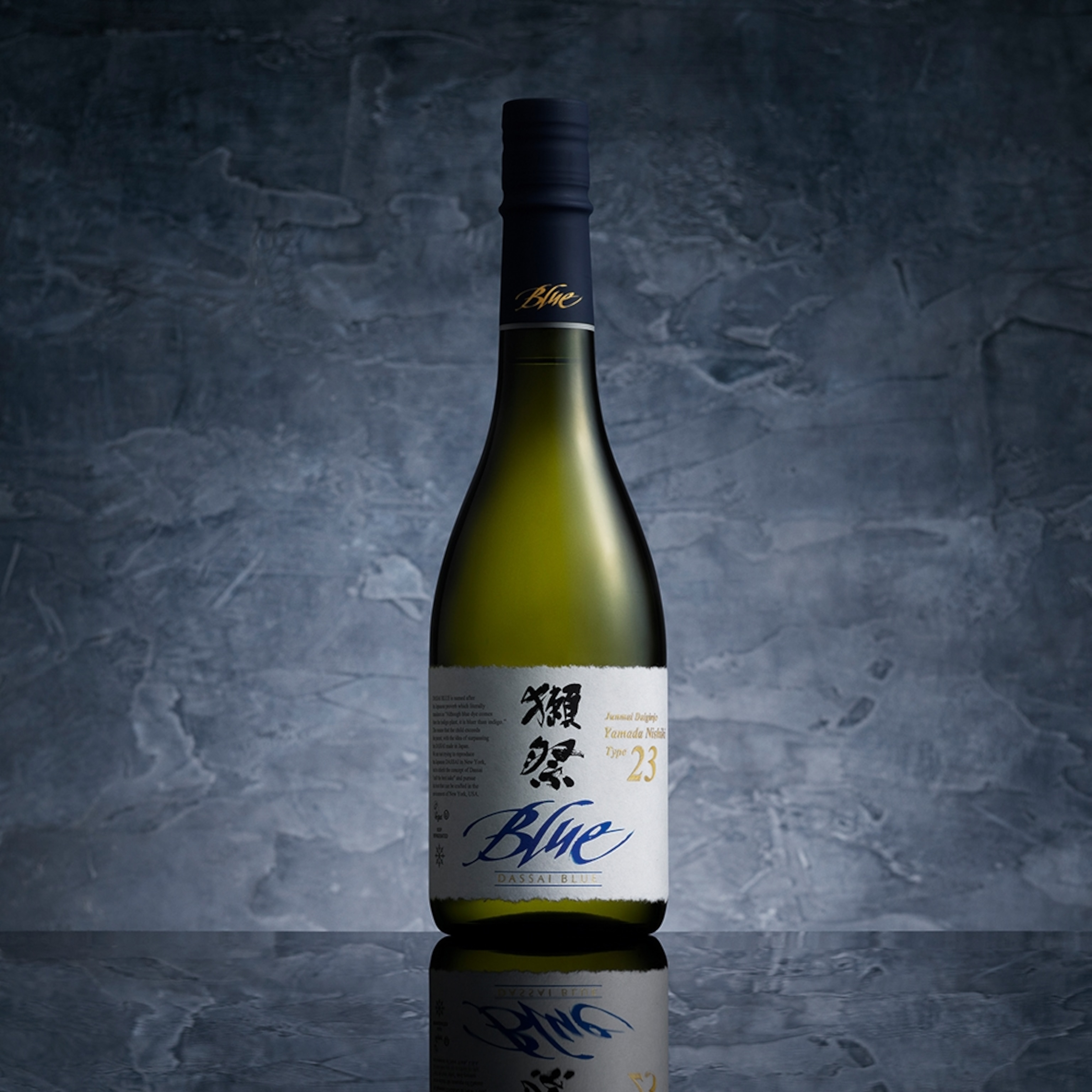
The more polished the rice — the lower percentage of grain in the drink — the finer the sake. This junmai daiginjo (premium) bottle is polished down to 23%. It has a delicate sweetness and long finish; serve it chilled in a wine glass, alongside light seafood treats, like oyster, caviar or roe salmon. $45 (£34)/375ml.
Brooklyn Kura Number Fourteen
This junmai ginjo bottle (made with slightly less polished rice) is a nama (unpasteurised) sake. It’s a bold, tart style, best drunk fresh, soon after fermentation. The flavour profile is juicy and fruity, perfect with lighter dishes, such as a salad with raspberry vinaigrette. $20 (£15)/375ml.
Origami Sake
A Thousand Cranes Arkansas grows 48% of the US’s rice and sources soft water from the Ouachita Mountains — a bounty that makes it the “Napa Valley of sake”, says Origami Sake president Matt Bell. With a crisp finish, this junmai sake (made with pure rice) can be a good swap for tequila in a margarita. $24.99 (£19)/750ml.
To subscribe to National Geographic Traveller (UK) magazine click here. (Available in select countries only).
