What is plov? Meet the rice dish at the heart of Nowruz celebrations
Rich, fragrant and layered with tradition, this dish of meat, rice and vegetables has been bringing people together for millennia. From plov’s ancient history to the best places to try it today, here’s the lowdown on this storied regional staple.

‘If you’re rich, eat plov; if you’re poor, eat only plov’, goes a popular Uzbek proverb. The implication? Come rain or shine and whether you’re a prince or pauper, plov is the answer to any food question. This hearty meal of tender meat layered with spiced rice and an assortment of vegetables is the national dish of Uzbekistan and Azerbaijan and a staple in neighbouring Tajikistan and Kazakhstan. Its origins are debated: some trace it back to Iron Age Persia, while others credit Alexander the Great with introducing it to feed his army during a Central Asian campaign around 330 BCE. In the Kitab al-Ṭabīkh, one of the earliest cookbooks in the Islamic world, dating from the 10th century, there’s mention of a dish consisting of meat, rice and spices that’s believed to be a possible ancestor of the plov we know today. Fast forward to the 21st century, and it’s evolved into a dish that’s central to both everyday cooking and celebratory feasts, with every region fiercely proud of their own local versions.
What does plov mean?
It’s believed that the word derives from polow, a Persian word for rice cooked with meat — typically chicken or lamb — or fish and an assortment of spices and vegetables. Think of plov and polow as culinary cousins — very similar dishes distinguished by subtle differences in cooking techniques and ingredients. Some refer to plov as pilaf, the broader international term for the dish, while in Azerbaijan and across Central Asia, it’s locally known as ash or osh, respectively.
There are hundreds of ways to cook plov, and each country — and the regions within them — put their own stamp on the recipe. In Azerbaijan alone, there are more than 200 varieties. Ask any Azeri, however, and it’s, shah plov (‘king plov’) that reigns supreme. It’s an elaborate showpiece where saffron-infused rice is layered with chicken or lamb, raisins and prunes. A base of butter-soaked qazmaq — a crisp, golden crust — forms at the bottom of the pan, and the dish is crowned with dried fruits and nuts. Another local favourite is fisinjan plov — meat cooked with walnuts and pomegranate molasses — while turşu-qovurma plov is made with prunes and dried fruit.
The culinary cornerstone of Uzbek cuisine, plov has an entire museum dedicated to it in the capital, Tashkent. And Tashkent plov — also known as ‘wedding plov’ due to its importance as part of traditional nuptial feasts — is among the most popular, made with chunks of lamb, rice, yellow carrots, chickpeas, cumin and whole heads of garlic. Across the border in Tajikistan, the most famous plov hails from the ancient city of Panjakent and is similar to Tashkent plov. Heading north to Kazakhstan, plov tends to feature beef rather than lamb or chicken.
How is it made?
Traditionally, plov is cooked in a kazan — a cast-iron pot capable of holding anywhere from six to over 50 litres of ingredients. According to Muzaffar Sadykov, founder of London Uzbek restaurant OshPaz, plov is distinctive for using three cooking methods: frying the meat, boiling the carrots and steaming the rice.
In plov from the Uzbek city of Samarkand, ingredients are cooked separately and layered. “First the rice, then the carrots, then the meat,” says Muzaffar. In the Tashkent dish, by contrast, everything is cooked together. “The meat is fried until golden, then we add the carrots and water to boil,” Sadykov explains. “Once the meat is tender and the carrots are ready, we add the rice and steam it.”
Azerbaijan has a distinct plov process: demleme, where the rice is boiled on a low heat and infused with saffron and butter. The meat and vegetables are cooked separately and act as the topping once the rice is cooked and golden in colour.
To help people cooking plov at home, cookbooks such as Silk Roads: A Flavour Odyssey With Recipes from Baku to Beijing, by Anna Ansari; and Kaukasis, by Olia Hercules, feature a range of recipes.
When is it eaten?
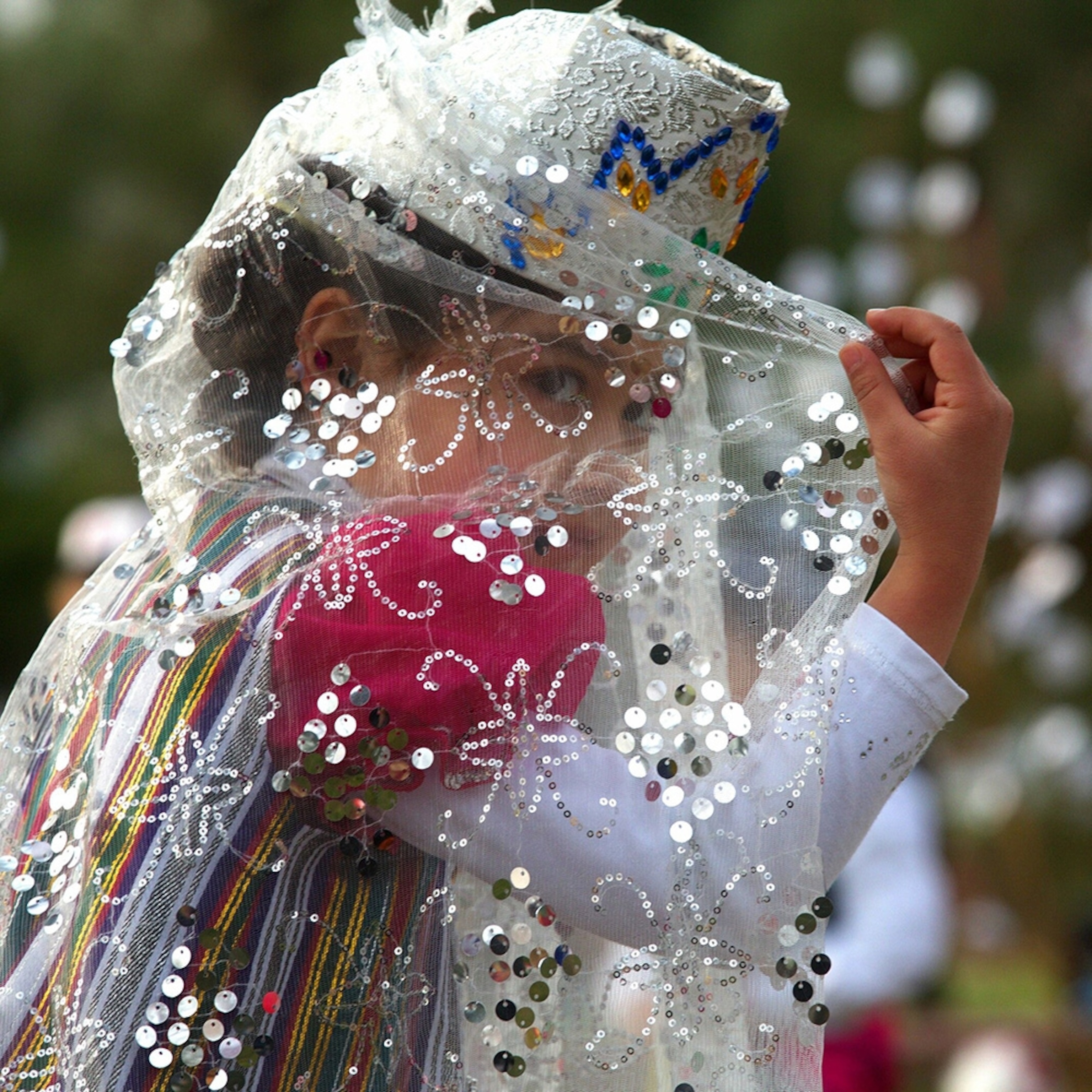
Plov is central to most celebrations, including birthdays, weddings and funerals. It’s particularly popular during Nowruz — the ancient Persian New Year celebrated in Iran, Azerbaijan and Central Asia — where the ceremonial dish is set in the middle of the table for everyone to help themselves. In many parts of Uzbekistan, plov is traditionally eaten on a Thursday, the day of the weekly fruit and vegetable market, when locals could easily get fresh ingredients.

Where to try it
Besh Qozon, Tashkent, Uzbekistan: Besh Qozon, aka the Central Asian Plov Centre, has four branches in the Uzbek capital and starts serving as early as 5am. Roughly 3,000 people walk through its doors each day and, to keep up with demand, plov is prepared here in gargantuan cast-iron, cauldron-like pots capable of cooking up to 350kg of food. Choices range from the traditional Samarkand-style plov — layered with meat, golden carrots, chickpeas and sweet bursts of raisin — to versions made with devzira rice, a dense, reddish Uzbek grain prized for its ability to absorb flavour.
Oshqand, Samarkand, Uzbekistan: At this unpretentious spot in the ancient city of Samarkand — once a prosperous hub on the Silk Road — there’s only one thing on the menu: Samarkand-style plov. Oshqand is consistently hailed as one of the best places in the city to try a truly authentic plov, and most diners here are locals. The rules at Oshqand are simple: choose your salad and bread, then tuck into a hearty serving of chickpea-jewelled plov.
Art Club, Baku, Azerbaijan: At this restaurant in Baku’s Unesco-listed Old City — set within the boutique Art Club hotel — chef Ayaz Mammadaliyev serves up a kaleidoscope of Azerbaijani plovs. These include fisinjan, slow-cooked lamb enriched with walnuts and pomegranate sauce, and the slightly tart turshu govurma, with dried apricots and aromatic herbs accompanying the meat. Shah plov, which Ayaz describes as “one of the most refined expressions of Azerbaijani cuisine”, is the focus of masterclasses at the restaurant.
Qaynana Restaurant, Baku, Azerbaijan: Carpeted and laden with traditional trinkets, Qaynana Restaurant, in Baku’s historic district, blends the aesthetics of a restaurant, a cosy museum and a grandmother’s living room. There are four types of plov on the menu, including one with lamb, chestnuts and pomegranates, while sebzi — a favourite among Bakuvians — combines lamb, onions and plenty of herbs, including garlic, chives, dill and coriander. Bread baked on site in the tandoor oven and a refreshing gavurdag salad of tomatoes, onions, nuts and pomegranate molasses are the perfect accompaniment, as is a glass of local Xirdalan lager.
Land of Fire Restaurant, London, UK: This cosy Islington restaurant offers a rarity in the UK: a traditional menu of Azerbaijani food. Specialities include dolma (vine leaves stuffed with lamb and herbs), beef khingal (square-shaped pasta with minced beef and garlic yoghurt) and, of course, plov. Try dosheme plov (on the menu as ‘Azerbaijan plov’) — slow-cooked layers of lamb or chicken with rice and dried fruits — or sabzi plov, featuring fried lamb, rice and plenty of herbs. The house signature is toyuq govurma (chicken plov), a delicious combination of chicken, dried barberries, sauteed onions and chestnuts. “Plov is the dish that brings everyone to the table,” says chef Umut Ashalov. “You can just grab a spoon, take some plov and enjoy great conversations with friends and family.”
OshPaz, London, UK: Founder Muzaffar Sadykov honed his plov-making skills under the guidance of his father and grandfather, both chefs in his native Uzbekistan. In 2023, he opened OshPaz (meaning ‘plov chef’ in Uzbek) in Regent Street. Alongside other traditional Uzbek dishes such as manti (dumpling) and samsy (savoury pastry), expect three kinds of plov: chicken, lamb and vegan, each served with fresh salad, pickles and a minty yoghurt sauce. OshPaz also has branches in Mercato Metropolitano, near Elephant and Castle; Seven Dials Market, in Covent Garden; and Brent Cross Shopping Centre.
Related: How different countries celebrate Nowruz, the Persian New Year
Read here.
