Open Now—Take A Peek Inside the New London Museum
After 10 years in development, the £427m London Museum opens its doors — and throws the traditional concept of a museum out the window.

For centuries, Smithfield Market has been at the heart of life in the capital. Since the Middle Ages, traders have brought livestock here, just outside the old city walls, to sell; everything from pigs to oxen and cows. Every summer for over 700 years, Bartholomew Fair set up camp on the same patch of land — the chaos and grime of the market replaced by the chaos and glitz of food stalls, puppet shows and exotic animal menageries.
It’s a fitting location, then, for the new London Museum. This cultural complex tells the long and layered tale of this storied city in all its grit and glitter and provides a place for Londoners to come together. Its decade-long gestation saw abandoned market buildings taken apart, spruced up and put back together — and the result is a new type of museum entirely.


Real Time
The museum flows through three spaces. The first, Real Time, is a cavernous, enclosed ‘street’ that hints at the stories and playfulness to come. Visitors walk across a floor embedded with pottery shards and Victorian clay pipes, while enormous screens display ever-changing elements of London life — giant pigeons, for instance, which stop pecking to watch as you pass.
The last bell cast by the historic Whitechapel Bell Foundry tolls at one end. At the other, the Cocoa Temperence House takes the place of Lockhart’s Cocoa Rooms, a Victorian-era cafe discovered during the building work, its original tiles now restored. Open 24 hours over the weekend, the Cocoa Temperence House will happily serve you a hot chocolate and a bacon sandwich at 3am on a Saturday, should you wish.

Our Time
The fine bones of the old market building are on full display as Real Time leads into Our Time — a soaring glass dome drawing visitors’ gaze to the intricate ceiling; iron columns resplendently restored; and old fireplaces floating halfway up the brick walls, from offices that occupied a now-demolished upper floor.
According to the space’s lead curator Beatrice Behlen, Our Time offers “a more idiosyncratic snapshot of London in 13 installations”. These range from a wall of iconic London signs — including originals from Fabric nightclub, Morley’s Fried Chicken and Topshop — and the Lord Mayor’s golden coach to green fabric hearts honouring victims of the Grenfell Tower fire.
It’s a social space recalling Bartholomew Fair both in spirit and in practice — hosting DJ sets, supper clubs and house parties, and with a restaurant serving a traditional London menu and a bar run by cocktail supremo Mr Lyan at the far end.
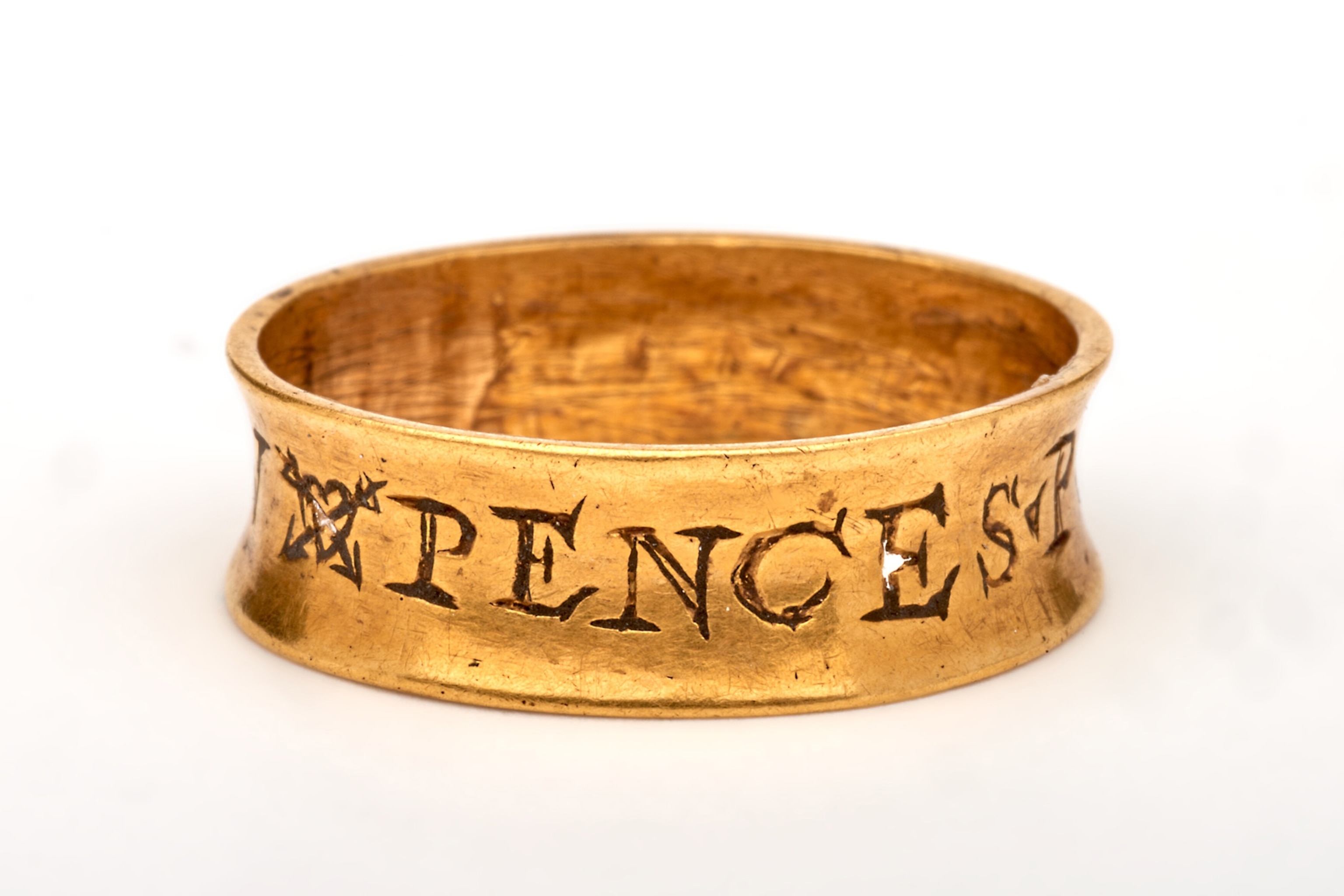
Lead Curator Annette Day's Favourite Object
Past Time
Visitors descend from immense, light-filled Our Times to moody, more reflective Past Times. It fills a former railway goods depot, the vaulted brick ceiling intact. Fittingly, it sits at the same level as the Roman settlement of Londinium, where the story of the modern city began. That story is told in five chapters, each accompanied by newly commissioned artwork, film, writing, music and poetry. “We cover 2,000 years of London history here,” says lead curator Annette Day. “We start with the Romans and end with the Olympics and Paralympics in 2012 — when London looked at itself and the world looked at London.”
It’s less an exhaustive chronological run-through of each period, more the history of the city in 5,000 objects. These range from decorative Roman wall plaster and a goblet used by Elizabeth I during her coronation to Tom Daley’s tiny Olympic swimming trunks and the fatberg pulled from the city’s Victorian sewers in 2017. Side galleries offer a deeper dive into significant moments in London’s development, including the Great Fire and the suffragette movement. “We hope that everyone will find something in the museum they can connect with and have an emotional response to,” says Annette.
Visitors are pulled back from the past and into the present at the far end of the gallery — a line of windows reveals the Thameslink trains that clatter past from Farringdon station, their passengers unaware they’ve become a temporary museum exhibit.
The whole collection is at once insightful, surprising and humorous, the London Museum’s promise that it’ll show the city in all its ‘grit and glitter’ made good.
