Mdina in Malta is known as the 'Silent City'—here's why
With its Roman mosaics, grand stately homes and baroque city gates, this small Maltese city preserves traces of its ancient history.

The honey-hued walls and ornate cathedral towers of Mdina rise out of Malta’s scorched interior. The country’s former capital traces its origins back more than 4,000 years, and various ruling powers have washed up here over the centuries. The Phoenicians and Romans expanded the city’s influence, while Arab rule from the 9th century gave Mdina its name, derived from medina, meaning ‘town’. In the 1500s, political power shifted to Valletta, the local population dwindled, and Mdina was nicknamed the ‘Silent City’. Today, it’s a far cry from silent, but a walk through its stone streets reveals narrow alleys full of mystery, and winding lanes with whispers of a bygone era.
Most visits start at the 18th-century Mdina Gate, a grand baroque structure that hints at what lies beyond — a city hardly touched by modernity. Fans of Game of Thrones will recognise it as one of the gates to King’s Landing, featured in the series’ first season. Other filming locations include Pjazza Mesquita, just a short walk inside the fortified town.
Further on, Pjazza San Pawl, the city’s main square, is home to St Paul’s Cathedral, which is said to have been built on the site where Roman governor Publius met St Paul. Even non-religious visitors will find a sense of spirituality in its gilded altars, detailed frescoes and floors inlaid with marble tombstones honouring prominent locals. The adjacent Mdina Cathedral Museum features a rich collection of ecclesiastical artefacts, coins and even a set of woodcuts by German Renaissance painter Albrecht Dürer, donated to the collection by a 19th-century Maltese nobleman. The square is especially evocative at sunset, when the cathedral is bathed in orange light and the only sounds are the occasional church bell or horse-drawn carriage passing by, taking visitors on tours.

For another perspective on Mdina’s history, visit Palazzo Falson. This 13th-century noble home-turned-museum provides insight into the island’s former elite. Its scenic courtyard blends Arab and south Mediterranean architectural influences; inside, rooms display a collection that spans antique weaponry, fine art and rare books. Alternatively, descend into the Mdina Dungeons. These subterranean chambers display macabre dioramas of punishments and tortures employed by the island’s former rulers. While gruesome at times, they provide interesting insight into Malta’s turbulent past.
In the far corner of the city, hugging its northern wall, Bastion Square has views over the countryside and the coast. While it’s another charming location for watching the sunset, it’s equally scenic in the early morning, with bright-pink bougainvillea standing out against the golden limestone walls. Admire the red-shuttered palazzo in its western corner, then browse the two shops selling bizzilla — lace handmade using bobbins, one of the oldest crafts on the island — and souvenirs made by local glassblowers.
The square is also home to Fior di Latte, a family-run ice cream parlour to visit for a sweet pick-me-up: artisanal gelato with flavours ranging from classics to dairy-free tiramisu or strawberry cheesecake. Alternatively, nearby Fontanella Tea Garden is one of the city’s most beloved cafes, serving multi-layer chocolate cake and an assortment of teas. Nab a terrace seat for views from Mdina’s bastions.

Michelin-starred De Mondion offers one of the most refined culinary experiences on the island. The tasting menu is inspired by local ingredients and flavours, and might include the likes of tripe and snails, or kannoli (a cousin of the more famous Sicilian sweet pastry) with contrasting sharp peach and smooth ricotta fillings. Or there’s Coogi’s Restaurant & Tea Garden for a delicious fusion of Italian and Maltese cuisine, from pasta dishes to traditional Maltese rabbit, oven-stewed in a tomato and red wine sauce.
With a little extra time, it’s worth heading just outside Mdina’s walls to neighbouring Rabat town. You’ll find Domvs Romana and St Paul’s Grotto, an ancient cave where St Paul the Apostle — said to have been shipwrecked on Malta in 60 CE — is believed to have lived and preached. It’s become a significant religious site, along with the catacombs and St Paul’s Church sitting above. The first-century Domvs Romana was discovered by accident — and turned out to be one of the last surviving traces of the Romans on the island. The mansion's mosaics lie largely untouched, while the structure built to preserve them houses Roman artefacts found in the vicinity.
Before leaving Rabat, join the locals queueing for pastizzi, the island’s favourite snack, at Is-Serkin, or Crystal Palace Bar. Enjoyed throughout the day, the crispy, flaky pastries are stuffed with either ricotta or mushy peas and best enjoyed with a tea or a cold Kinnie (a Maltese bitter orange soda) in hand.
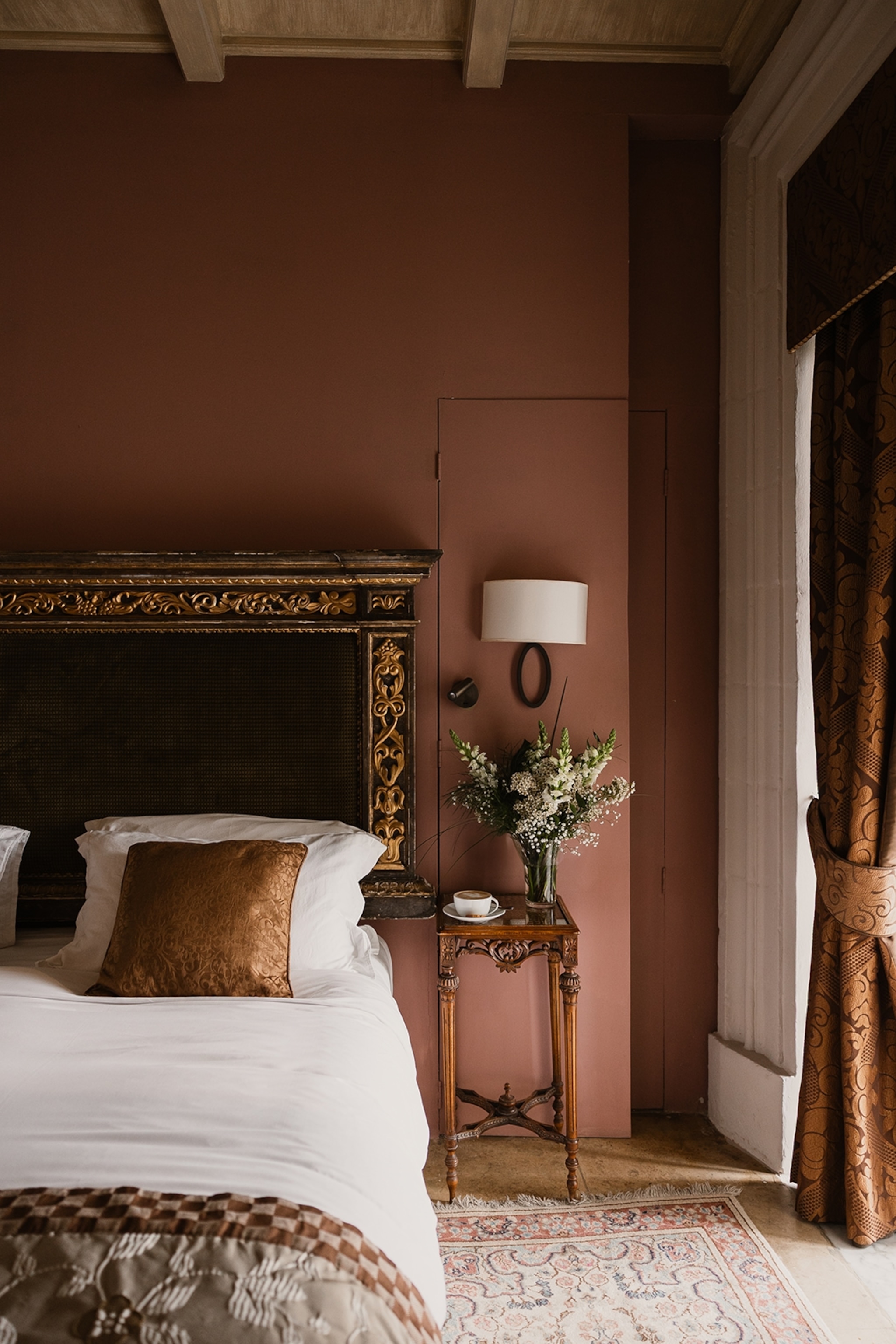
Where to stay
How to do it
This story was created with the support of The Xara Palace and Visit Malta.
To subscribe to National Geographic Traveller (UK) magazine click here. (Available in select countries only).
