The Wonder List is a collection of simple prompts and activities designed for families to explore together — turning ordinary days into moments of curiosity, discovery, and shared joy. Because wonder isn't a destination. It's hiding in plain sight.
Stars
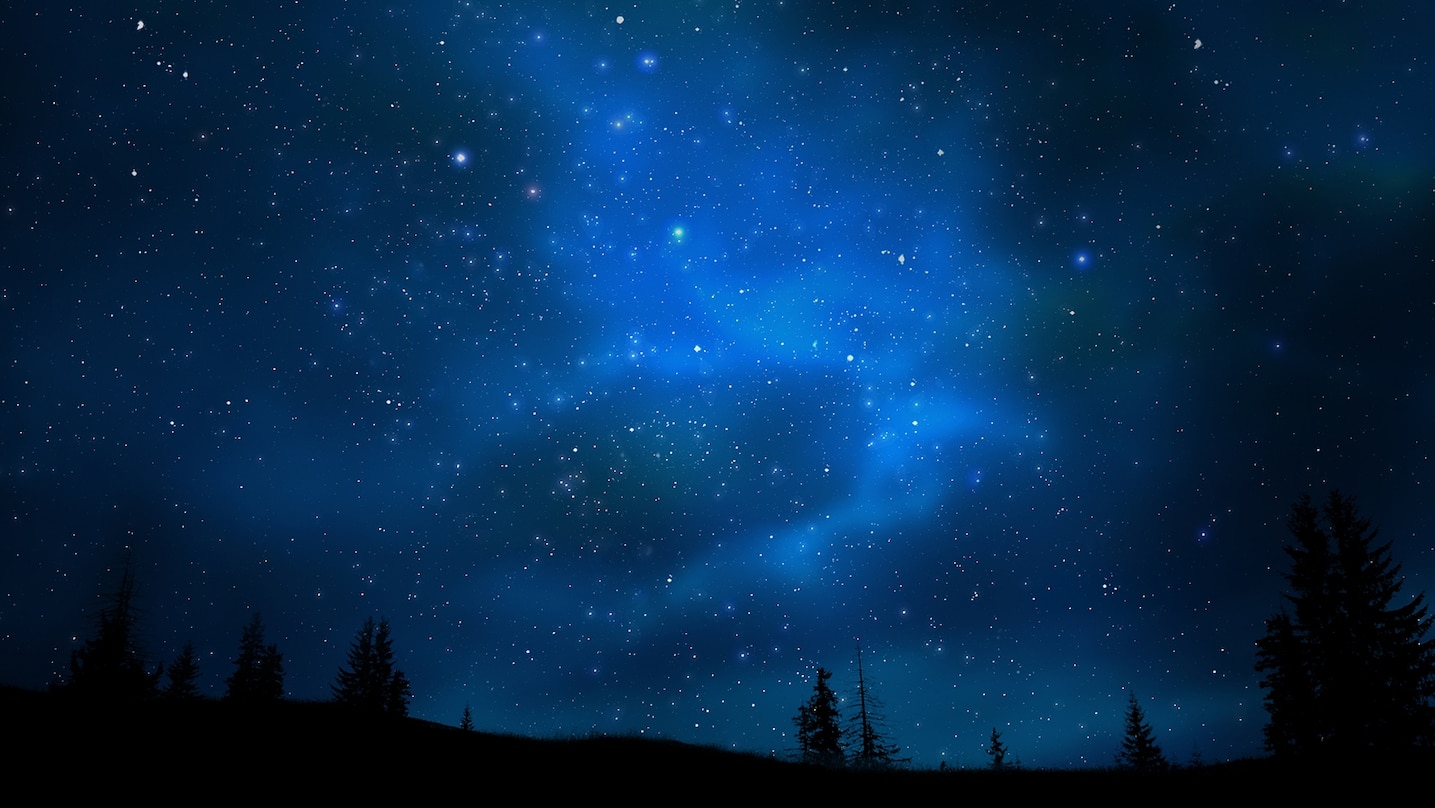
Look up and step into wonder.
1
Star Gazer
See stars better by letting your eyes adjust to night vision: Sit in darkness for 20 to 30 minutes—no screens and no flashlights! Count how many stars you can see at 5, 15, and 25 minutes.
4
Name Game
Throughout history, people all over the world, including the ancient Greeks, Hawaiians and Bedouin have had their own names for the stars. Today, astronomers work together to make an official star list so everyone can use the same names. Go outside, pick a star, and name it yourself.
2
Where's Orion?
This April, if you’re in the Northern Hemisphere, look for the three stars in a row that make up Orion’s belt low in the western sky shortly after sunset. In the Southern Hemisphere, he appears in the northwestern sky.
3
Color Burst
Stars aren’t all white: A star’s color depends on its temperature and life cycle. Go out at night and look for a cool, reddish star like Betelgeuse in Orion and compare it to a hot, bluish star like Rigel in Orion.
5
Stable Star
For hundreds of years, travelers in the Northern Hemisphere have used Polaris, the North Star, to find their way at night because this star is aligned with Earth’s northern axis, and so other stars appear to wheel around it. Can you find this star together?
Clouds
The sky is full of wonder, if you take the time to notice.
Exploring note: When gazing at the clouds and sky, never look directly into the sun.
1
Weather Forecast
Different cloud shapes can hint at the weather to come. For example, fluffy clouds that grow taller and darker indicate rainstorms ahead! Go outside during the day, look at the clouds, and guess the weather they may bring.
2
Sort Them Out
Scientists sort clouds into 10 basic types. Go outside and make your own category for the shape of cloud you see!
3
Change Of Time
Clouds transform throughout the day as factors like wind and temperature shift. Sketch the same patch of sky in the morning, afternoon, and at sunset to see what changed.
4
Color Up
Clouds appear to be different colors depending on the weather and time of day. Go outside at sunset, look at the clouds, and name all the different colors you see.
5
Think Outside the Cloud
Lie down on the ground and look up at the sky. Can you find a face or an animal in the shape of a cloud? Tell a 30-second story about what you see.
Trees
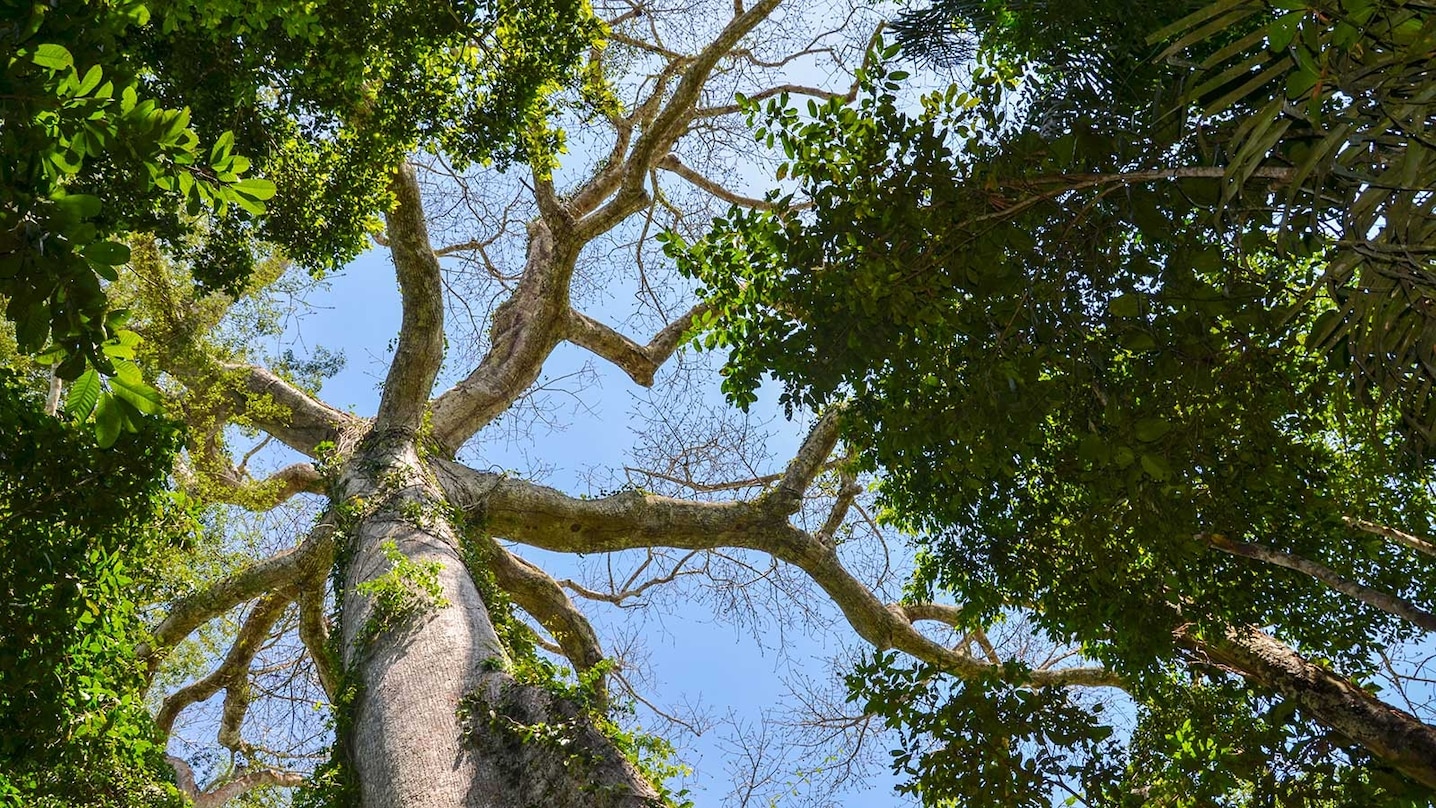
Every tree has a wonderous story to tell.
Exploring note: Look with eyes and hands, but don’t peel bark or break living branches. Ask permission before collecting leaves or seeds and avoid touching dangerous plants like poison ivy. (Leaves of three, let it be!)
1
Smell Sleuth
When you smell freshly cut grass or a torn leaf, you're smelling a message from the plant! For example, the smell of cut grass is a gaseous chemical signal to other plants that the grass is under attack. Snap a twig or tear a leaf. Describe what it smells like.
2
Trunk Detective
Tree rings can tell us how old a tree is and give us a record of an area's climate history. If you come across a stump or cut log, count tree rings to determine the plant's age, and then look for skinny versus wide bands. Narrow bands reveal slower growth years, possibly due to droughts or unseasonable cold.
3
Leaf Looker
Many trees can be identified by the shape of their leaves. Gather three fallen leaves of different colors or shapes and arrange them from “smoothest edges” to “most jagged.”
4
Tree Talker
Stand under a tree and listen for 30 seconds. How many different sounds does it make-rustling, creaking, tapping?
5
Branch Out
Available sun, space, and age can affect how tree branches grow outward. Spot five different trees. Look at how their branches grow: Are they straight out, upward like arms, or drooping down? Try copying the tree's shape with your own body.
Rocks
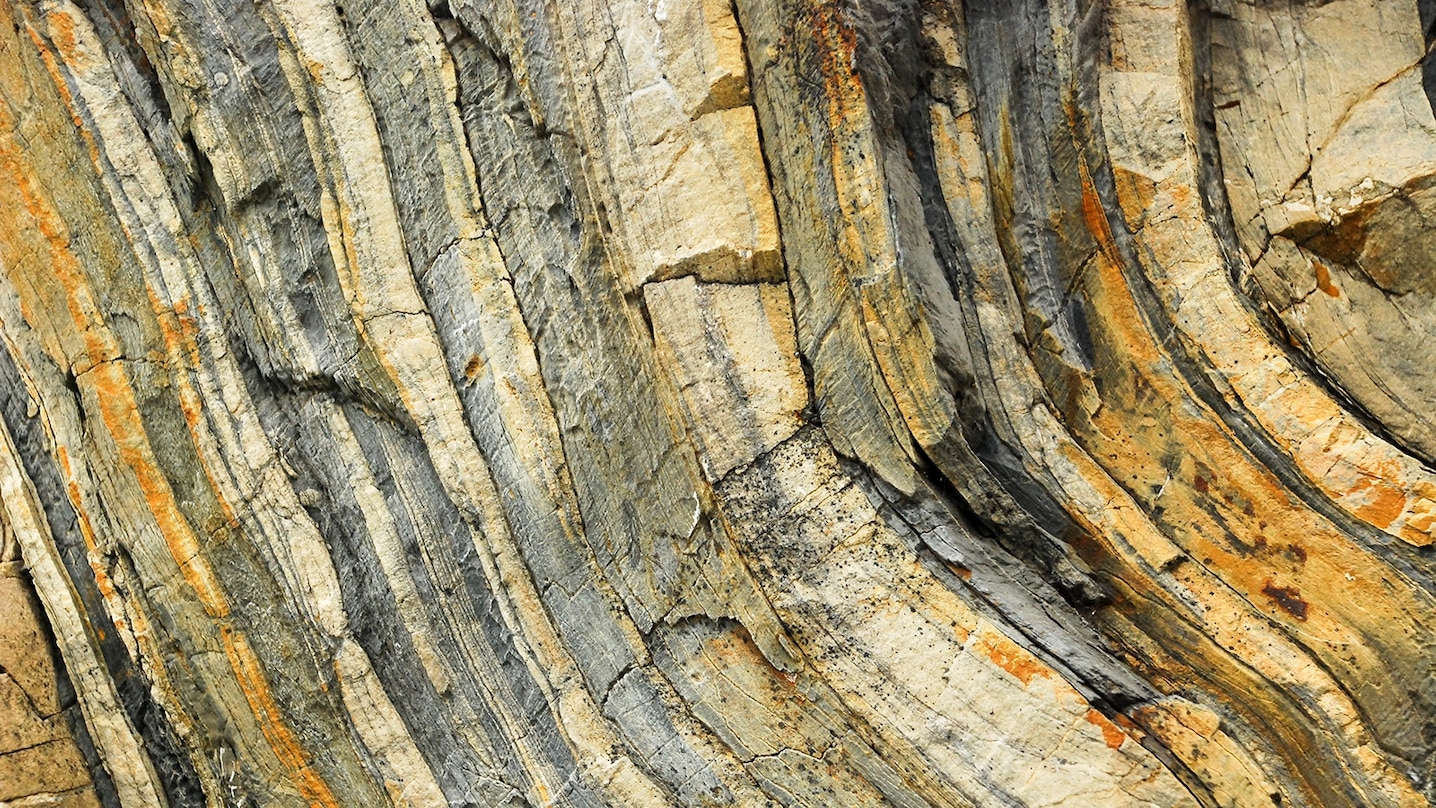
The ground beneath your feet is full of wonder.
1
Rock Art
People have been carving into and drawing on rocks for thousands of years to express themselves. Find rocks in your neighborhood and use them as a canvas to make beautiful art of your own. Place them outside to display your talent.
2
Meet the Rocks
Scientists categorize rocks into three different types: igneous rock made of magma; sedimentary rock, created by compacted sediments; and metamorphic rock, when existing rocks are transformed by changes in pressure or heat. Find a rock and try to guess its type.
3
Shifting Stones
Over millions of years, rocks are being shaped by natural forces like rushing water, strong wind, freezing temperatures, and even earthquakes. (Consider the Grand Canyon, which was carved by the Colorado River in a process that started around six million years ago!) Pick up a rock and guess what natural forces might have shaped it.
4
Fossil Finder
Fossils are like snapshots of the past, preserving the shapes of plants, animals. or even things like eggs, footprints or poop in rocks. Search for a rock with bumps or marks that remind you of a fossil. What does your imagination see?
5
Zoom In
What may seem like any old rock can be interesting up close. Pick up a rock and look at it with a magnifying glass, cell phone camera, or hand lens. What textures or colors do you see? Do you see any bright spots or shiny flecks?