The science of why chia seeds are a superfood
Chia seeds are full of fiber and protein. Here’s how to make them easier on your digestive tract.
Don’t let their diminutive size deceive you: Chia seeds are absolutely packed with nutrients, including soluble and insoluble fiber, protein, healthy fats, antioxidants, and various minerals.
“There’s nothing negative about them,” says Keith Ayoob, a registered dietitian-nutritionist in New York City and an associate professor emeritus of pediatrics at the Albert Einstein College of Medicine. “They’re loaded with a lot of the things people are missing.” In fact, two tablespoons of chia seeds contain nearly 10 grams of fiber and five grams of protein, along with sufficient amounts of calcium, iron, magnesium, and potassium, and small amounts of folate, vitamin A, selenium, and zinc.
These dark gray, egg-shaped seeds come from the desert plant Salvia hispanica, which belongs to the mint family, and they were once believed to be a staple in the ancient Aztec diet in Central America.
“We have scientific evidence that they’re good for gut and cardiovascular health, including blood pressure, blood sugar, and cholesterol," says Wendy Bazilian, a nutrition and wellness expert in San Diego and host of the 1,000 Waking Minutes podcast. Indeed, some scientists have called chia seeds “a therapeutic weapon against metabolic disorders.”
(You may be overlooking this nutritional powerhouse. You shouldn't.)
Not everyone knows how to consume chia seeds, so here’s the lowdown.
To soak or not to soak
Chia seeds absorb ten times their weight in water, according to Dawn Jackson Blatner, a registered dietitian-nutritionist in Chicago and author of The Superfood Swap. Because of this, experts often recommend soaking them in liquid before consuming them; otherwise, the seeds could cause bloating or other forms of gastrointestinal discomfort.
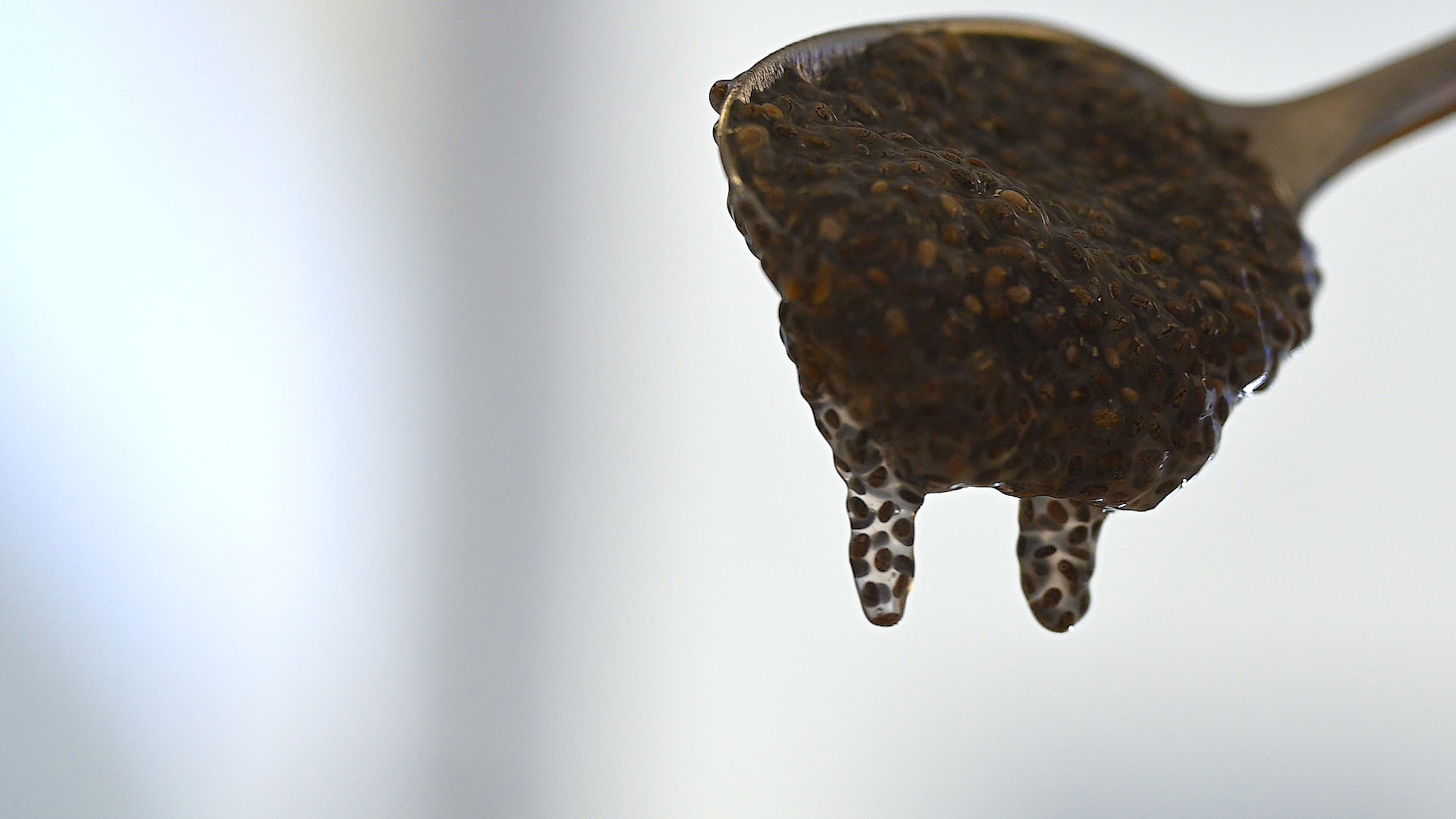
“Soaking makes it more likely that they’ll feel good in the digestive tract,” Blatner says, “and you will feel more full if you soak them first.” That’s because as they absorb water, chia seeds expand and develop a gelatinous texture.
(You don’t just need more fiber—you need different types, experts say.)
But you don’t have to soak them first. “It’s about comfort and usability—soaking doesn’t unlock key nutrients,” says Bazilian, but instead makes chia seeds easier to digest.
How to soak your chia seeds
If you’re going to soak them, combine ¼ cup chia seeds with a cup of milk or water and let the mixture sit for at least 10 minutes, Ayoob suggests, although you can soak them overnight.
A pro tip: Before soaking, “measure these over the sink—because if they spill, you will never stop finding them, even in other rooms,” Ayoob warns. Once they’re soaked, use them right away or refrigerate them for consumption later.
How to incorporate chia seeds into your diet
“Don’t get too hung up on the soaking—that gets in the way of people using them,” Blatner says.
In lieu of soaking, you can sprinkle dry chia seeds on yogurt, cereal, salads, or vegetables. Just be sure to drink plenty of fluids as you consume them—otherwise, “they’re going to swell up somewhere down the GI tract,” Ayoob says. “Because they’re high in fiber, add them gradually to your diet to get your system used to them.”
You can also incorporate the seeds in smoothies, soups, and stews, in which case they’ll absorb liquid naturally and thicken the food. Consider adding chia seeds to batter for muffins, pancakes, or bread. And if you want to use them as an egg substitute, Blatner says, you can mix one tablespoon of chia seeds with three tablespoons of water and let the mixture soak for 10 to 15 minutes.
Other possibilities include making chia pudding by soaking ¼ cup chia seeds in one cup milk of choice in a lidded jar in the refrigerator for a few hours or overnight; or jam, by cooking and mashing two cups of berries or other fruit on the stove, then stirring in two tablespoons of chia seeds, Blatner says. “[It] develops a jam-like consistency, and you can put it in the fridge for up to a week.”
If you do decide to add chia seeds to your diet, it’s important to consume them regularly.
“A superfood can’t be a one-trick pony,” Bazilian says. “You need to be able to eat enough of it, and chia seeds are versatile.”
