Why grinding flaxseeds transforms them into a superfood
These nutrient-dense seeds come with a number of health benefits—but the key to getting the most out of the superfood comes down to how you consume it.
Among the many nutritional powerhouses known as superfoods are flaxseeds, which have a mildly nutty taste alongside their major health benefits. Besides being good for your gut and promoting regularity, consuming these tiny brown seeds regularly has been shown to reduce total and LDL cholesterol and triglyceride levels, decrease systolic and diastolic blood pressure, and improve blood sugar control. They have also been found to decrease some inflammatory markers in the body.
“Flaxseeds are great for your gut, heart, and overall metabolic health,” says Jackie Newgent, a registered dietitian-nutritionist, chef, and author of The Plant-Based Diabetes Cookbook. Because of their cardiometabolic benefits, some researchers have even suggested that these tiny seeds have the potential to promote healthy aging and longevity.
Most of these perks stem from the seeds’ high fiber content, omega-3 fatty acids, and lignans, which act as antioxidants. Flaxseeds also contain protein, calcium, magnesium, phosphorus, potassium, and selenium.
When it comes to fiber, flaxseeds consist of both soluble and insoluble fiber. The former, which helps with cholesterol reduction and blood sugar regulation, accounts for 25 percent of the fiber in these small seeds, while the latter, which promotes faster transit of foods through the GI tract, accounts for 75 percent.
(You don’t just need more fiber—you need different types, experts say.)
Flaxseeds come from the flax plant, which is grown for its fibers (which are used to make clothes and other products) and for its seeds (which are consumed as food). These little seeds add texture and flavor to many dishes—but they are easiest to digest when they are ground.
While whole flaxseeds and the fiber they contain can help prevent and treat constipation, most of their other nutrients aren’t likely to be absorbed by the body.
“Your digestive system usually can’t break down the tough outer shell, so whole seeds often just pass through your system,” says Newgent. “That prevents your body from absorbing the omega-3s, lignans, and other health-protective compounds.”
Here's what to know about about grinding your flaxseeds.
The best way to grind flaxseeds
The recommended serving size of ground flaxseeds is one to two tablespoons per day.
For the sake of convenience, you can buy ground flaxseeds or ground flaxseed meal at the grocery store. Dawn Jackson Blatner, a registered dietitian-nutritionist based in Chicago and author of The Superfood Swap, is a fan of this approach because “the more effort you put between you and eating these seeds, the less likely you are to use them.”
With pre-ground flaxseeds, once the package has been opened, “they can go rancid quickly, so you’ll want to put them in the refrigerator or freezer,” says Marisa Moore, a registered dietitian-nutritionist based in Atlanta and author of The Plant Love Kitchen. When stored in an airtight container in the fridge, ground flaxseeds can last a few weeks.
(The science of why chia seeds are a superfood.)
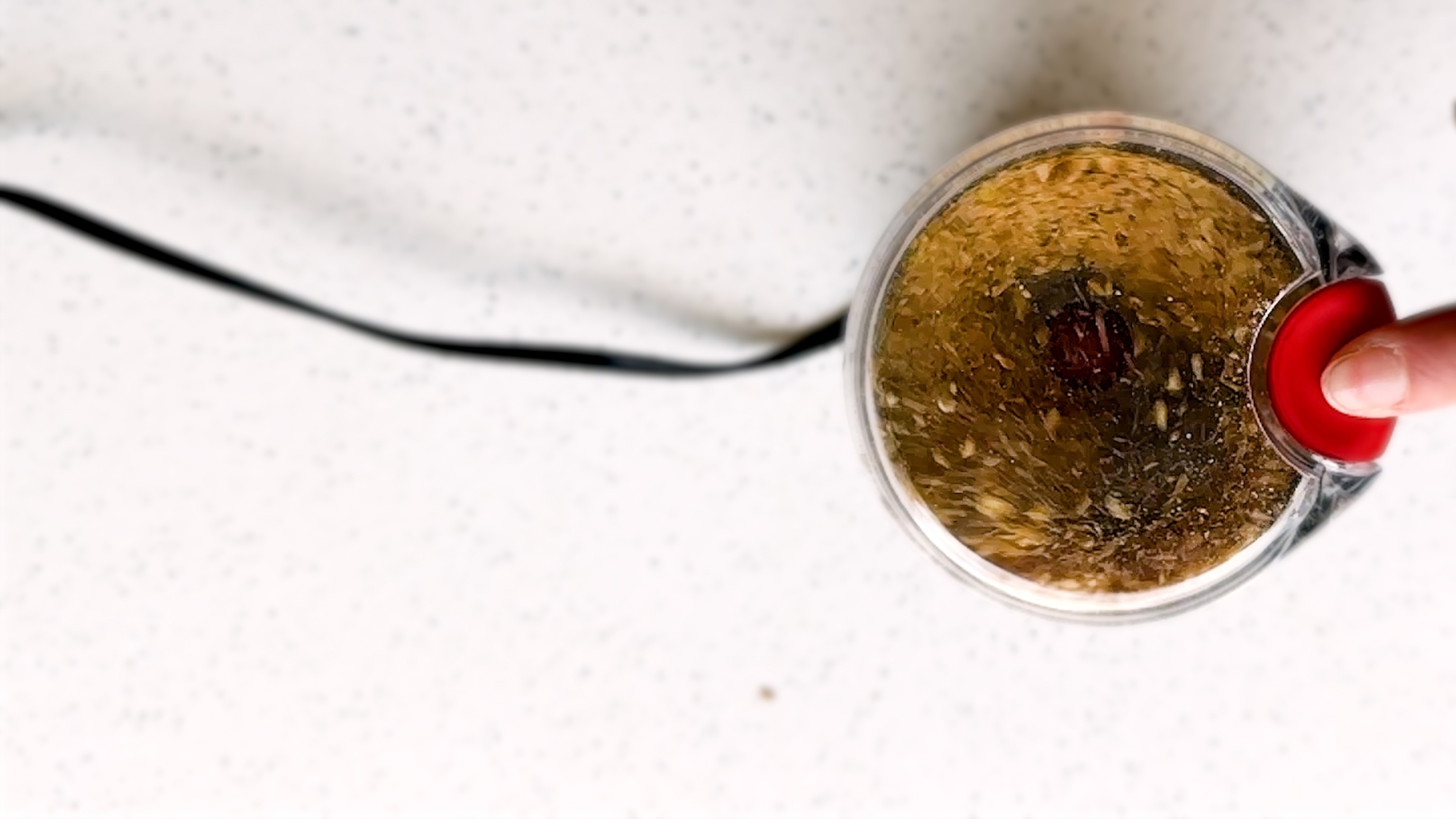
For greater longevity, your best bet is to buy whole flaxseeds and grind them on an as-needed basis with a coffee or spice grinder. If you’re grinding a lot of them at once, you can use a small food processor or blender, says Blatner.
You can also hand-grind them using a mortar and pestle. “Once they’re ground, they should be the consistency of a fine meal,” says Moore.
How to incorporate flaxseeds in your diet
It’s easy to add ground flaxseeds to your meals throughout the day. You can put them into smoothies, warm cereal, pancake or waffle batter, or homemade muffins or granola. Blatner often sprinkles one-half to one tablespoon of ground flaxseeds onto whole-grain toast that’s been spread with nut butter.
You can also use them as an egg substitute in baking: Simply mix one tablespoon of ground flaxseeds with three tablespoons of water or another liquid. “It works surprisingly well as a vegan alternative to eggs in baking,” says Newgent.
(The science of why bamboo shoots are a superfood.)
Additionally, you can sprinkle the ground seeds onto yogurt, whisk them into vinaigrettes for salads, or use them instead of breadcrumbs to coat chicken or fish before cooking, suggests Blatner.
There’s no shortage of culinary uses for flaxseeds—the key is to be creative. But, as Blatner notes, “it’s only a superfood when you add it to what you’re eating daily, not once a year,” so make sure to make them a regular part of your diet.
