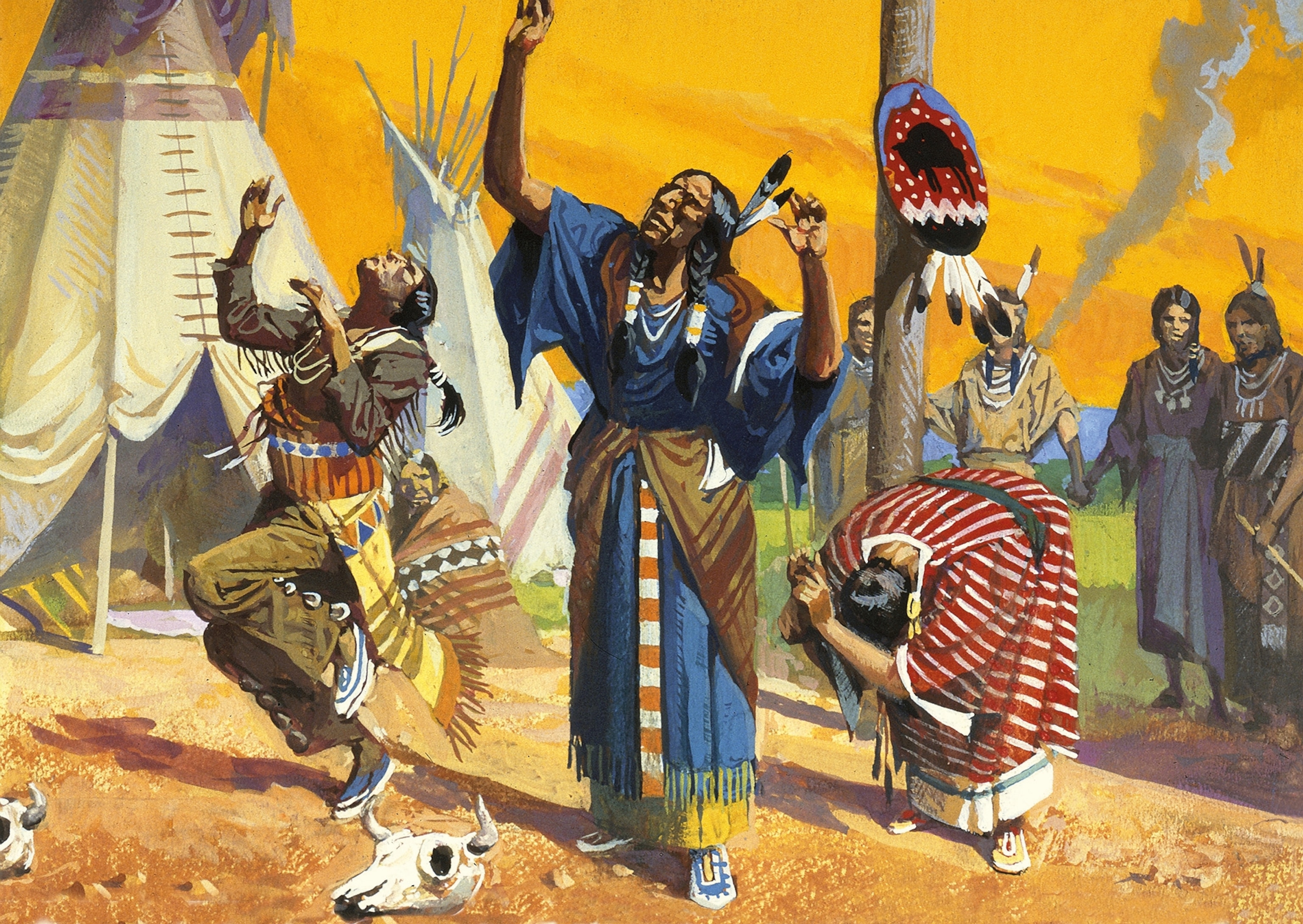
This Native American dance started a movement
A Paiute man had a vision: A ritual dance would reunite his people with their dead. The Ghost Dance swept across other North American tribes, until fear and violence brought it to a tragic end.

On the afternoon of January 1, 1889, a dark circle cut into the sun above Nevada’s Mason Valley. As the moon eclipsed more and more of the solar disc, shadows swept across the sagebrush, birds grew quiet, and a young Paiute man named Wovoka lost consciousness.
In this state, he said later, he had a vision. He was taken up to heaven, where he saw God, as well as those who had died long ago, alive and happy. God instructed him to return to the world and tell his people to live in peace so they could be reunited with their loved ones in the next world. To bring this about, God told him, Wovoka must teach his people a dance.
(North America’s Native nations reassert their sovereignty: ‘We are here’)
The man with a vision
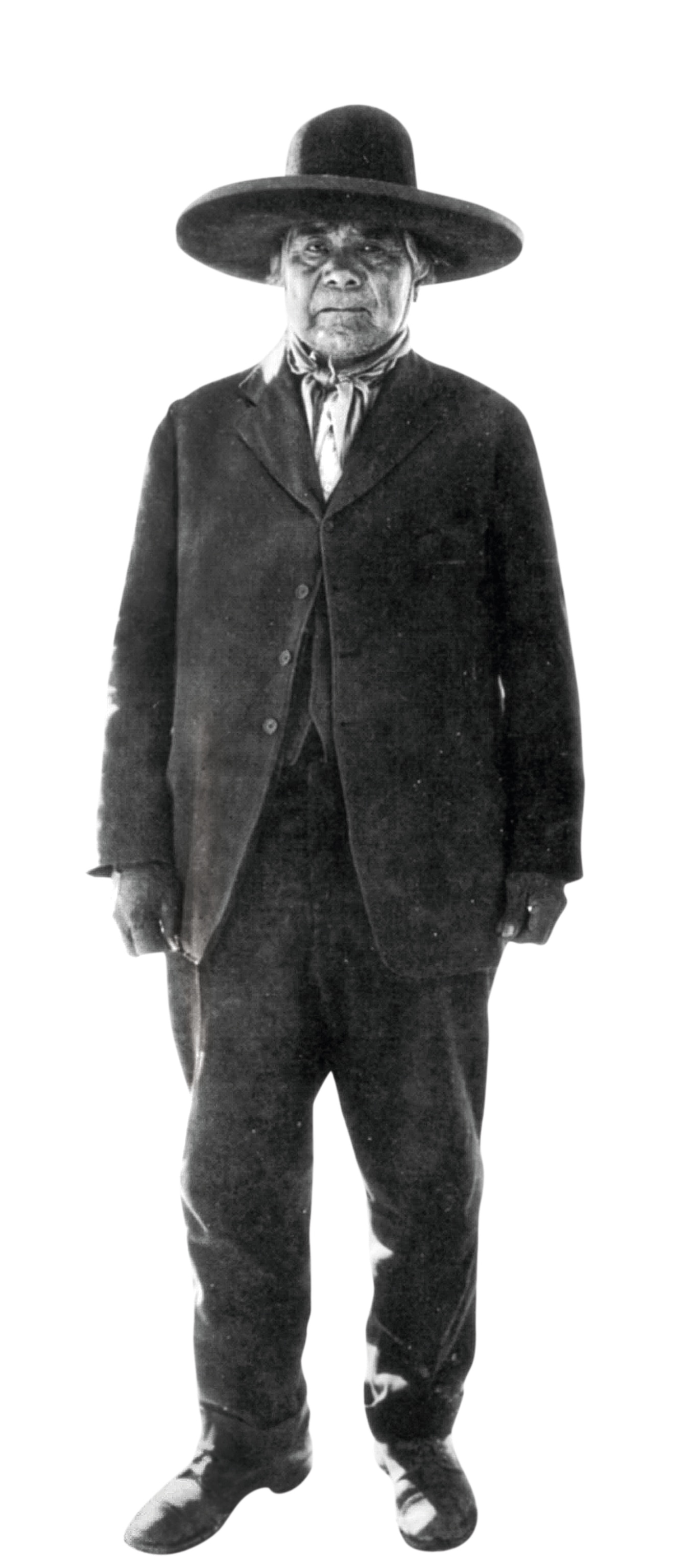
Upon awakening, Wovoka spread the word of his vision. So began the Ghost Dance, a ritual that raced like a brushfire from the Paiute through other tribes of the Great Basin and Plains, including the Arapaho, Cheyenne, and Sioux. The ceremony blended traditional teachings, earlier ritual dances, and Christian theology; and its promise of peace and reunification with the dead gave hope to beleaguered Native Americans, many of them confined to reservations. Across the West, they began performing the Ghost Dance.
In a letter to various tribes, Wovoka outlined the marathon-like ritual. “You must make a dance to continue five days,” he said. “Dance four successive nights, and the last night keep up the dance until the morning of the fifth day, when all must bathe in the river and then disperse to their homes.”
(They are the last two WWII Navajo code talkers. This is their story.)
Different Native American nations interpreted the dance, and the vision, in their own ways, while remaining peaceful. Indeed, Wovoka’s letter explicitly stated, “You must not hurt anybody or do harm to anyone. You must not fight.” To the Lakota Sioux, though, the ceremony seemed to promise the eventual end of the white man. As they danced, some Sioux wore decorated garments known as ghost shirts, believed to protect them from harm. Federal agents, frightened by the dance and what they saw as its implications, ignored expert opinions, and in 1890, placed some Sioux Ghost Dancers on a list of Native Americans to be relocated.

On December 29 of that year, Army troops surrounded a Lakota encampment at Wounded Knee Creek, South Dakota. As the troops searched the encampment for weapons, some of the Lakota men began singing and performing the Ghost Dance. Precisely what happened next is unclear, but by most accounts, a shot rang out, prompting the soldiers to open fire into the encampment. They killed hundreds of Lakota men, women, and children in what came to be known as the Wounded Knee Massacre.
The Ghost Dance movement never truly recovered from the slaughter at Wounded Knee, although it continued in altered forms into the 20th century.
(What really happened at Wounded Knee, the site of a historic massacre)
Dancing for the Messiah