8 of the best things to do in Mexico City
In Best of the World with Antoni Porowski, the chef and TV host treks through one of the world’s top foodie destinations, highlighting the city’s diversity of experiences.
Mexico City is not only the largest metropolis in North America but also a bustling megacity full of historic landmarks, natural wonders, and a world-class food destination. So, it’s not surprising that culinary expert Antoni Porowski travels to a city more than 700 years old for the National Geographic series Best of the World with Antoni Porowski. Mexican cuisine is recognized by UNESCO as a living world heritage. On his first visit to the heart of Mexico, Porowski tastes his way through the city and explores its rich cultural heritage.
So, if you’re planning a trip to Mexico’s capital city, we’ve curated a list of Porowski’s must-do experiences along with a few accessible options to explore on your own.
(15 of the best places in the world for food right now.)
1. Explore the historic Chapultepec Castle and Park
Porowski’s first stop is a visit to Chapultepec Castle in Bosqué de Chapultepec, one of Mexico City’s largest parks. Aztec ruler Nezahualcóyotl built a palace in the area during the pre-Columbian period, and the Spanish later constructed Chapultepec Castle on Chapultepec Hill in 1785. When Austrian archduke Maximilian I was installed as Emperor of Mexico in 1864, he transformed the castle into his imperial residence.
In the decades that followed, the castle served as a military academy and, beginning in 1882, the official residence of Mexico’s presidents before becoming the National Museum of History in 1939. Porowski aptly notes that it “celebrates the country’s rich and sometimes complicated cultural heritage.”
Visitors shouldn’t miss the chance to wander the massive park, home to ancient cypress trees, a lake, multiple museums like the world-famous Museo de Antropología, and an amusement park. It’s one of the most visited urban parks in the world.

Like that? Try This. The park, castle, and most museums are closed on Mondays; so, be adventurous and visit the Coyoacán neighborhood for its old-town feel, uniquely different from the rest of the city. Coyoacán is home to two Frida Kahlo museums (Museo Frida Kahlo and Museo Casa Kahlo), multiple parks, Cineteca Nacional, and Mercado de Coyoacán, one of the city’s most iconic markets.
Wander the two-story indoor mercado sampling traditional dishes from the stalls before heading to the square for dessert. The churros in Coyoacán are among some of the best in the city, so sit down and enjoy these sweet treats in the open-air Plaza Hidalgo near the centuries-old Parroquia de San Juan Bautista (Parish of St. John the Baptist). Burn off those calories afterward with a stop at Bazar Artesanal Mexicano to browse dozens of vendors selling handmade textiles, leatherwear, and artwork.
2. Indulge in the famous guava roll at Rosetta Bakery
A trip to Panadería Rosetta in the upscale Roma Norte neighborhood is an opportunity to try its famous guava roll—a flaky, croissant-like pastry filled with creamy cheese and aromatic guava jam. This is just one of several eateries owned by world-renowned chef Elena Reygada, who has built a flourishing culinary empire that also includes restaurants and coffeehouses. Her French-inspired pastry has elevated the standards of bread-making across the city. So, it’s not uncommon to see patrons standing in a line wrapped around the block to order the guava roll or pan dulce.
Like that? Try this. Stop by Panfilo Artesanal in the San Rafael neighborhood to grab a pan dulce and a latte for a few pesos. Visitors should consider grabbing a bite to eat and then heading to the nearby Jardín del Arte Park. If you go on a Sunday, the park will be full of artists and sculptors selling their latest creations. The panadería closes at 8:30 p.m., but the art fair generally ends around 5 p.m.
Saúl Franco, the owner of Divercitours, a company that showcases the city’s diversity, including lesser known panaderías or bakeries. “Most are family-owned businesses,” he says, encouraging travelers to support smaller, neighborhood panaderías.
(7 of the best things to do in London.)
3. Try the huitlacoche tamales at Restaurante Rosetta
Porowski continues his food journey through Mexico City, visiting chef Reygada’s Michelin-starred restaurant, Restaurante Rosetta. The success of Restaurante Rosetta was born out of Reygada’s experience working in London, where she learned to transform classic comfort foods into a luxurious experience.
For the first time, he tries a tamale with huitlacoche (also called “Mexican truffle”), an edible fungus that grows on corn, and has been a traditional, prized delicacy in Mexican cuisine for centuries. “I think it’s important to never forget where we come from,” says Reygada. “You can only taste this in Mexico.”
And after one taste, Porowski calls it “one of the best kept Mexican secrets since mezcal.” Hutlacoche tamales are not always served at Restaurante Rosetta, but Chef Reygada occasionally uses hutlacoche in other seasonal dishes. Diners should book their reservation a week or two in advance.
Like that? Try this. El Cardenal in Centro Historico is another of the city’s famous restaurants devoted to using local ingredients and artisanal methods. If you visit in August or September, stop by before it closes at 6:30 p.m. and try one of Mexico’s seasonal national dishes, chiles en nogada, stuffed poblano peppers bathed in a walnut sauce.
4. Watch a lucha libre match at Arena México
Porowski meets Perse (Persephone), the current champion wrestler of Las Amazonas—Mexico’s top female lucha Libre league (Consejo Mundial de Lucha Libre). He learns a few moves in the ring before watching masked wrestlers, including Perse, in a series of lucha libre matches at Arena México (also known as the Cathedral Lucha Libre). This aerial and acrobatic athleticism—steeped in ancient warrior spirit and uniquely Mexican techniques—is a cultural tradition and popular pastime for locals and visitors alike.
The origins of the sport can be traced back to Olympic and Greco-Roman wrestling in 1863, and later to the more theatrical lucha libre, as we know it today, which officially began in 1933.
A lucha libre match is an electric, high-energy experience. “There’s one way to make this a memorable night out,” he advises. “You need to get involved.” Cheering from the bleachers, having a beer, and yelling at the “villain wrestlers” is all part of the fun.
Matches usually start at 7:30 p.m. on Tuesdays, 8:30 p.m. on Fridays, and 5 p.m. on Sundays. Times do vary, but doors open about an hour before the scheduled bell time. You can buy tickets at the door, or it is recommended to buy them in advance. The best seats, in the front and close to all the action, can cost between $50 and $70.
Like that? Try this. Plaza Garibaldi has a different type of fun, boisterous experience. Mariachi bands converge on the plaza throughout the day, as locals and visitors alike stop to listen. While waiting for the next band, take a break for the must-try quesadillas or gorditas at Mercado San Camilito—less than a minute walk.
(7 of the best things to do in Paris.)
5. Take a tour and stay at El Nido de Quetzalcoatl in Paseos del Bosque
Architecture aficionados should consider visiting El Nido de Quetzalcoatl; it’s one of Porowski’s favorite places in Mexico City. Mexican architect Javier Senosiain Aguilar created the apartment building in Paseos del Bosque, a gated community just outside the city limits. The mosaic-covered, undulating snake-shaped building—inspired by Aztec mythology and featuring 10 apartments—stretches throughout a lush oak forest in a private ecological sculpture park.
A guided tour of the 50-acre grounds and botanical garden is available, but requires a reservation, normally a month in advance. Two apartments in the building are available for visitors to rent via Airbnb, starting at $300 a night. “This is a totally unique place to come to experience a quieter, gentler side of Mexico City,” says Porowski, while on a tour guided by Adriana, an architect with Senosiain’s architecture firm, Arquitectura Orgánica.
Like that? Try this. Mexico City’s mashup of architectural styles makes visiting museums an experience. The modern brutalist Museo Rufino Tamayo for modern art, the Art Nouveau and Neoclassical design of Palacio de Bellas Artes for Mexican art and dance performances, and the avant-garde architecture of Museo Soumaya, home to the world’s largest collection of casts and sculptures by French artist Auguste Rodin (outside of France), and the world’s largest collection of pre-Hispanic and colonial era coins. Note: The Tamayo and Palacio de Bellas Artes are closed on Mondays.
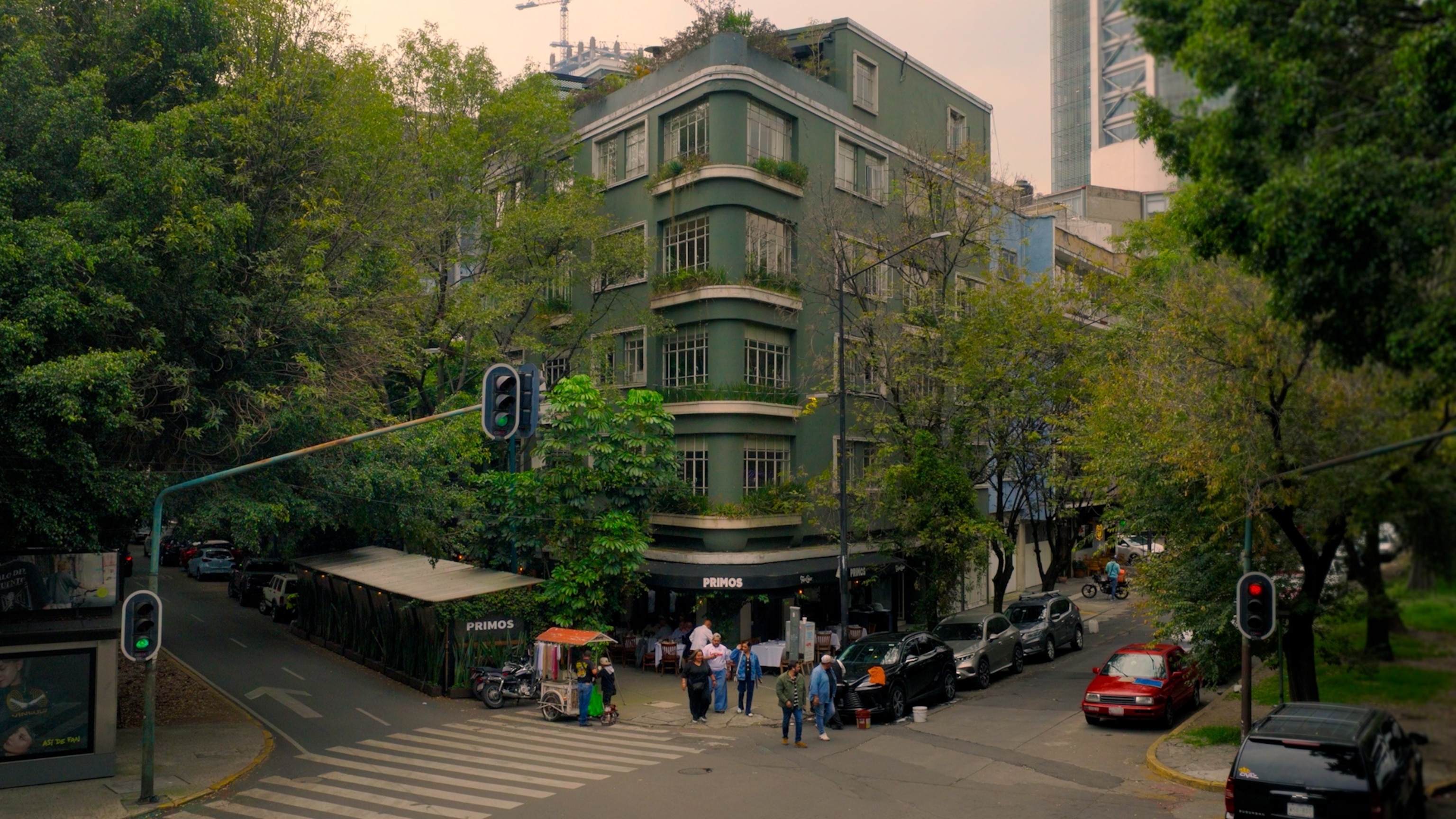
6. Eat campechano tacos at Maizajo in Colonia Condesa
“Corn and chili are two ingredients that define Mexico City. Chili, in my opinion, adds flavor, not just spice,” says chef Santiago Muñoz Moctezuma, but “corn is the base of everything we do.” That’s why his tacos and tamales are some of the best in the city.
Porowski and his friend Ricardo, meet chef Moctezum, who owns and founded Maizajo, a Michelin-recognized taqueriá is the tree-lined Condesa neighborhood. Chef Muños Moctezum wants to elevate the role of the tortillero (a tortilla maker) to the same reverence and prestige given to bakers in France or pizzaiolos in Italy.

While most tortillas are made from highly processed corn flour, this chef buys locally produced native heirloom corn and processes it like his ancestors would have done for thousands of years,” explains Porowski before eating a campechano taco made with grilled beef and chorizo sausage. Just remember, as Ricardo says, “A taco without salsa is not a taco.” Be sure to test the spice levels before you add it.
Like that? Try this. Taquería El Califa de Leon is another favorite in the city, attracting celebrities like Dua Lipa, who ordered the famous taco de gaonera (thinly shaved ribeye or sirloin tacos). Visitors can pick up moderately priced tacos at Mario Hernández Alonso’s Michelin-starred streetside taco stand in the San Cosme neighborhood. Sit at one of the three tables nearby or stand on the sidewalk to enjoy your tacos. Patrons can satiate their hunger until the stand closes at 2 a.m.
(6 of the best things to do in New York City.)
7. Go sunrise kayaking in Parque Ecológico de Xochimilco
Wake up early in the morning to watch the sun rise like Porowski’s serene kayaking excursion with Carlos through a network of canals in Parque Ecológico de Xochimilco. Before Mexico City, this was the Aztec capital, built on a lake and connected via chinampas or artificial islands built for agricultural purposes. The Spanish began filling in the area to expand the city, and now only a handful of chinampas remain in Xochimilco. During his journey, Porowski discovers that these waterways are a direct connection to the past and an “unforgettable experience.”
Porowski visits the spooky Isla de las Muñecas, the Island of Dead Dolls, also located in Parque Ecológico de Xochimilco. Here, creepy baby dolls are hung by their necks and nailed to structures to appease the spirit of a girl who drowned nearby in the abandoned chinampa, according to local folklore. “This is like the set of a horror film,” says Porowski. And it was, well, sort of. The music video for Lady Gaga’s “The Dead Dance” was filmed on the island, becoming a set-jetting tourist attraction.
Porowski’s quiet dawn kayak trip through the chinampas is only one way to experience the canals. Go on the weekend or at night to ride colorful gondolas down the canals. Much different from a sunrise kayaking excursion, this gondola ride has a livelier vibe, with mariachi singers, drag queens, and vendors boarding and disembarking from boats. Prices for both tours vary but start around $55.
Like that? Try this. If you’re a traveler who likes an early start, you may want to consider a hot-air balloon ride at dawn high above the Teotihuacan Pyramids—about 30 miles northeast of Mexico City. Ancient Teotihuacan was one of the largest cities during its peak (500 C.E.). Both Xochimilco and the Teotihuacan Pyramids are UNESCO World Heritage sites.
8. Join the fun and other revelers at the Alebrijes Parade
The two-hour Alebrijes Parade kicks off Día de Muertos celebrations in October, drawing half a million people every year. Porowski’s guide Fernanda explains the parade’s history and gives him a quick preview of a few creative floats before joining other revelers in the parade as it travels down Paseo de la Reforma from the Zócalo, the city square. The colorful procession of fantastical creatures (alebrijes) made of hand-painted papier-mâché are created by local artists.
But the creatures, a mix of animals and magical beasts, aren’t just gorgeous folk art; they are also creative statements about timely issues, such as immigration, equal rights, and animal welfare. “To think that each one of these pieces has some sort of a story and an intention behind it is so inspiring,” says Porowski.
When the parade ends, all the sculptures are on full display along the avenue. From October 31 to November 2, Reforma is closed to traffic at night, and thousands of people stroll the street and sidewalks in costumes, eating, drinking, and posing for selfies with the alebrijes and other decorations.
Like that? Try this. The main avenue in the city, Paseo de Reforma, is regularly blocked off for protests, celebrations, parades, and, on occasional Sundays, bike riders. Strolling down the avenue is a tradition for tourists and locals alike.
For the complete experience, begin your walk near the Museo de Antropología in Chapultepec Park, then head to Avenida Juárez. Turn left at the famous bright yellow modern art El Caballito statue, and you’re standing in front of Monumento a la Revolución, a museum and monument to the Mexican Revolution. A right turn at the statue will take you to Palacio de Bellas Artes and the Zócalo, Mexico City’s central plaza, also known as Plaza de la Constitución.
How to get around Mexico City
The city’s metro, bus lines, and public bike racks use the Integrated Mobility Card (Tarjeta de Movilidad Integrada or MI Card), and some accept payment by phone. Tourist-friendly metro routes extend throughout the city, and the maps are easy to read. While the metro and buses can be crowded, both are generally faster than taking an Uber.
