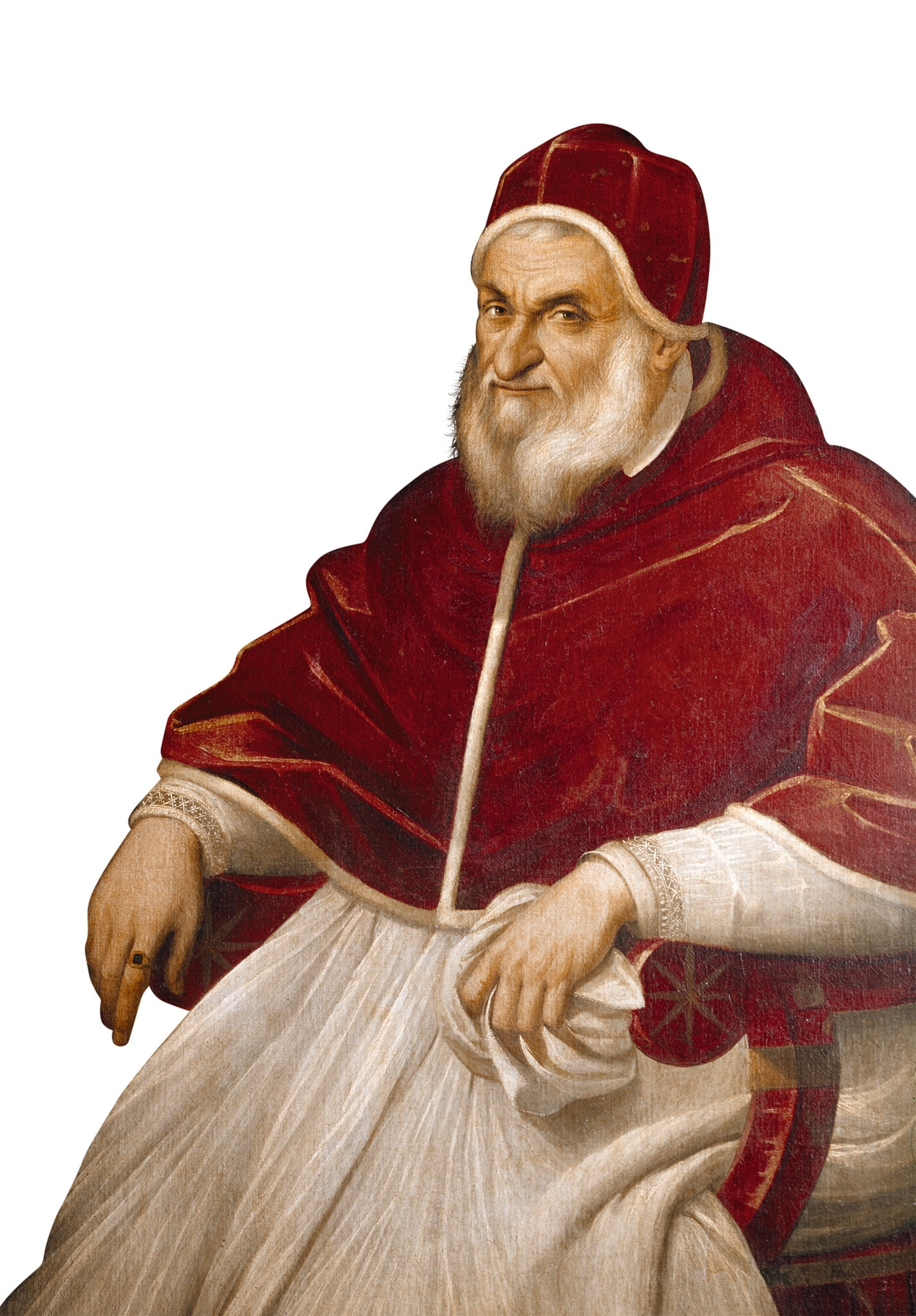
Murderer or a martyr? The tragic life of Mary, Queen of Scots
Mary Stuart's father reportedly predicted that the Scottish throne would end with a woman. But no one could have foreseen the many twists that would lead to her eventual execution.

Few women in history have inspired as much literature and art as Mary Stuart. Her life has captivated creators across centuries, from Friedrich Schiller’s verse play to Gaetano Donizetti’s opera, not to mention countless films and biographies. In one biography, written by Stefan Zweig, the Austrian author observes that Mary’s life and the strength of her character were shaped by the controversy surrounding her since birth: “Never was she allowed to develop her ego unhindered. All her life long she would be the pawn of policy; be queen or heiress; ally or foe; never simply child or girl or woman.” Mary Stuart has been cast in two opposing roles: martyr in the eyes of Roman Catholics, heretic in those of Anglicans. Paradoxically, the body of evidence about her life obscures rather than clarifies the truth.

A childhood in France
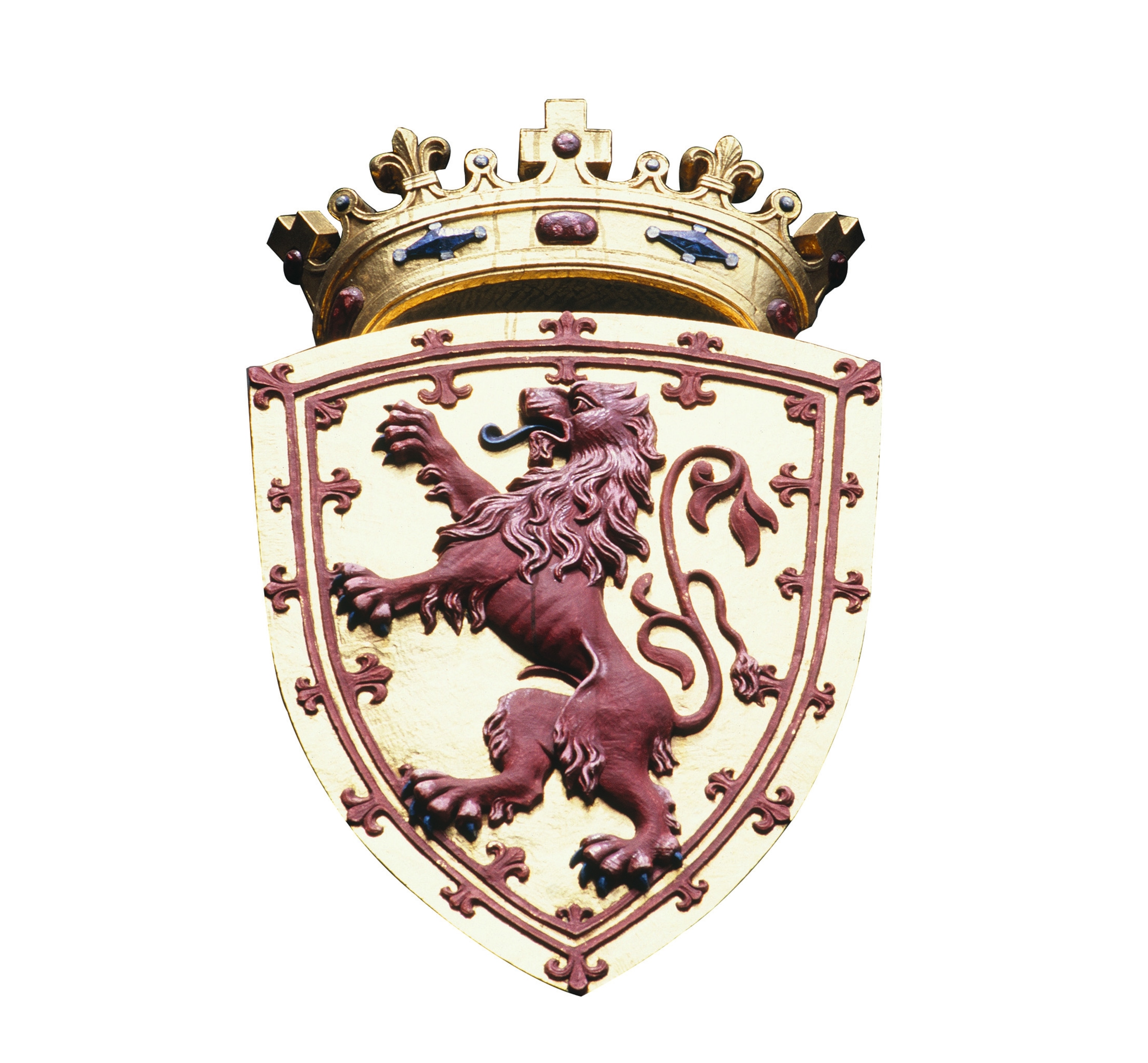
From the moment Mary Stuart entered the world, her life was intertwined with the struggle for power. Born in 1542 at Linlithgow Palace, Mary lost her father, James V, just a few days later. The infant queen inherited a realm bloodied by internal clan rivalries and the looming threat of annexation by the English. Before his death, upon hearing he had fathered a daughter, King James reportedly uttered the prophetic words: “It cam wi’ a lass and it will gang wi’ a lass” (“It came with a lass, and it will pass with a lass”), foreseeing the crown’s loss through a woman.
Mary quickly became a political prize for the monarchs of both England and France. Henry VIII, her great-uncle, wanted to marry her to his son, thereby uniting the Tudor and Stuart houses. But Mary’s mother, Mary of Guise, a French noblewoman and staunch Catholic, detested the English and favored an alliance with the heir to Henry II of France.

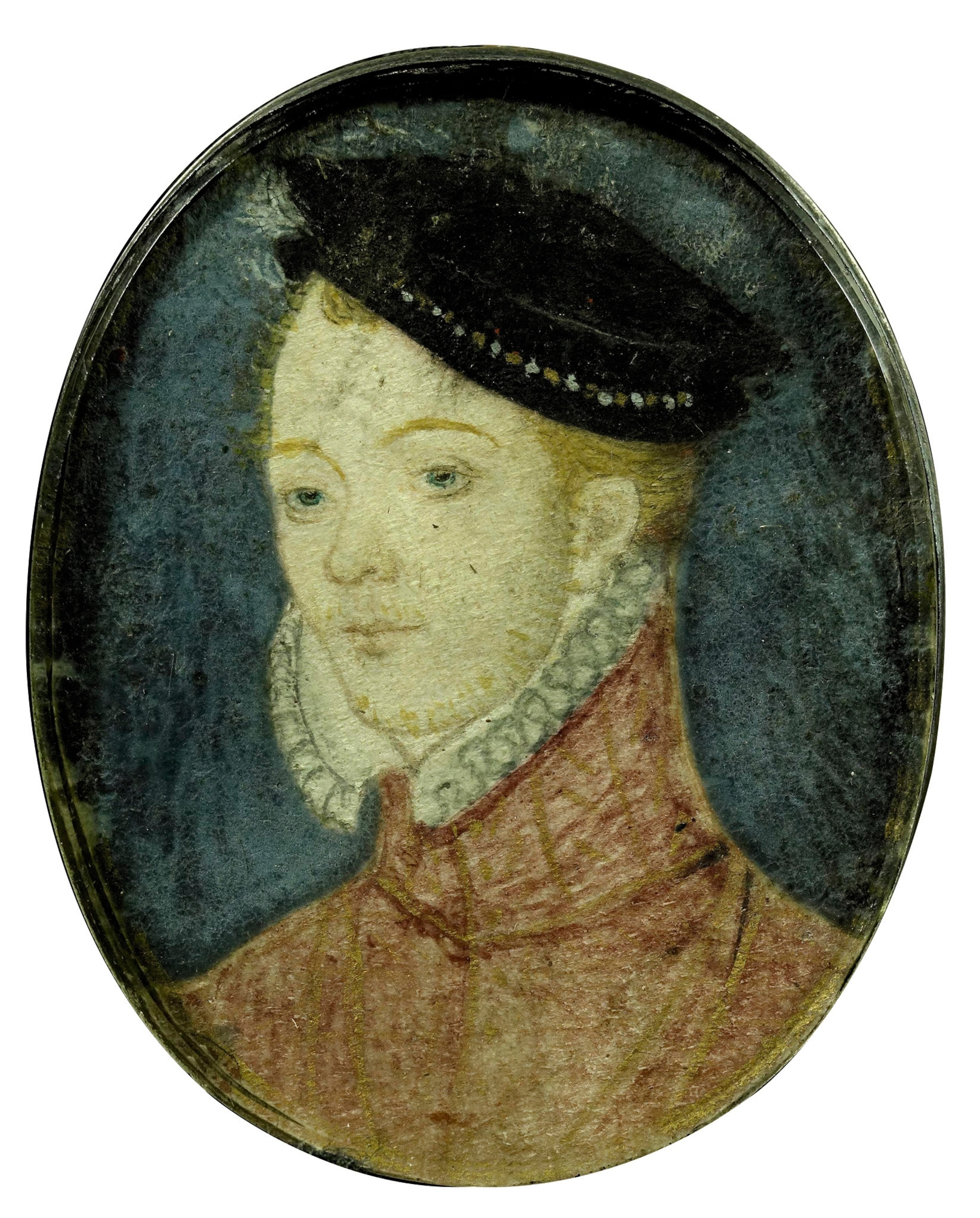
So, in 1548, at just five years old, Mary was sent to France to be raised by the French court. There, she received a Renaissance humanist education. So as not to forget her roots, the young Stuart had her own small Scottish court, made up of two half brothers and the so-called four Marys, girls all close to her in age from noble Scottish families. Celebrated for her beauty and gracious manners, in 1558 Mary married the Dauphin of France at Notre Dame Cathedral. The following year, he became the king, Francis II, after his father was mortally wounded in a jousting tournament. But the young monarch, who stuttered and was inexperienced in politics, was manipulated by Mary’s uncles, the Duke of Guise and the Cardinal of Lorraine, and ruled for only 17 months before his death in 1560.
Star of the court of the Valois
An eventful return to the throne
With Francis’s passing, Mary returned to Scotland in 1561. In her absence, the Protestant lords of Scotland had revolted against her mother, who had ruled as regent until her death in 1560. Upon arriving in Edinburgh, the young queen, with her French manners and staunch Catholicism, found the country profoundly changed. Scotland had embraced Protestantism, and Mary was now seen as an outsider.

Protestant ministers held a majority in her privy council, and John Knox, the fiery Calvinist preacher, quickly stirred up public opinion against her. Her only firm ally came from her illegitimate half brother, Lord James Stewart, later the Earl of Moray.

Meanwhile, Elizabeth I, Mary’s cousin and the daughter of Henry VIII and Anne Boleyn, had ascended the throne of England. The two women, both unmarried, became the most courted queens in Europe. Both had suitors from Spain, France, Austria, Sweden, and Denmark. A royal marriage could have secured either queen’s dominance in the British Isles and Europe. But it was not just the prospect of marriage that placed them at odds. As the granddaughter of Henry VIII’s sister, Mary Stuart had a legitimate claim to the English throne should Elizabeth die childless. Also, English Catholics considered the Scottish queen to be their rightful monarch, as they rejected the legitimacy of Elizabeth’s birth.
Instead of marrying a European prince, a politically advantageous choice, Mary fell in love with the English nobleman Lord Darnley, a Catholic with royal blood—and her cousin. Their marriage in 1565 triggered a storm. The pope expressed his displeasure at not having been asked for a dispensation. The Earl of Moray betrayed her and led a Protestant uprising. Elizabeth I, alarmed by the implications, regarded the marriage with great suspicion.
(Decoded secret letters reveal royal plot against Queen Elizabeth I)

A violent end
Darnley was as handsome as he was hot-tempered. Less than a year after their wedding, driven by jealousy, he orchestrated the murder of the queen’s private secretary, David Rizzio. From that moment on, the royal couple lived separate lives. Darnley spent long periods in remote castles, far from Edinburgh, while the queen began to visit the Earl of Bothwell, the leader of her followers, who was recovering from wounds inflicted by border bandits at Hermitage Castle. Rumors soon spread that the two were lovers. Nothing reconciled the royal couple’s rift, even the birth of an heir, James, in 1566. Eventually, a group of Catholic nobles, including Bothwell, resolved to eliminate Darnley. He died under mysterious circumstances at Kirk o’Field collegiate church. Although the lords of the council believed that Bothwell was behind the murder, he was acquitted after a trial before Parliament. Just weeks later, he married Mary.

This marriage marked another deeply controversial chapter in the queen’s life. As Mary returned to Edinburgh after visiting her son, James, who had been placed at Stirling Castle for his own safety, Bothwell abducted Mary, taking her to Dunbar Castle where, according to witness James Melville,“he had ravished her and lain with her against her will.” Some argued she colluded with Bothwell to stage her own capture, consummating the union willingly in order to appear forced to marry him, given that a willing marriage to the prime suspect in her husband’s death would prove scandalous. Debate still lingers about whether or not the queen collaborated in her own abduction.
Attack on the king consort
The drawing depicts Taylor’s burial and the transfer of Darnley’s body. In the upper left corner, Darnley and Mary Stuart’s young son, the future James VI of Scotland and James I of England, cries out from his bed: “Judge and revenge my cause, O Lord." He would have been nearly eight months old at the time.

The marriage of Mary and Bothwell was both unpopular and disastrous. Catholics considered the marriage illegitimate because the ceremony was conducted according to Protestant rites and because Bothwell had previously been divorced, yet both Protestants and Catholics found the union highly suspicious. Taking advantage of the situation, the Protestant lords took up arms. In the standoff at Carberry Hill, Mary surrendered, and Bothwell was allowed to leave. He later escaped to Norway. As for Mary, she was captured, imprisoned in Lochleven Castle, and forced to abdicate in favor of her one-year-old son, while Moray assumed the regency.
(London’s most notorious thief was also a hero of the people)
The enigma of the casket letters
Imprisonment in England
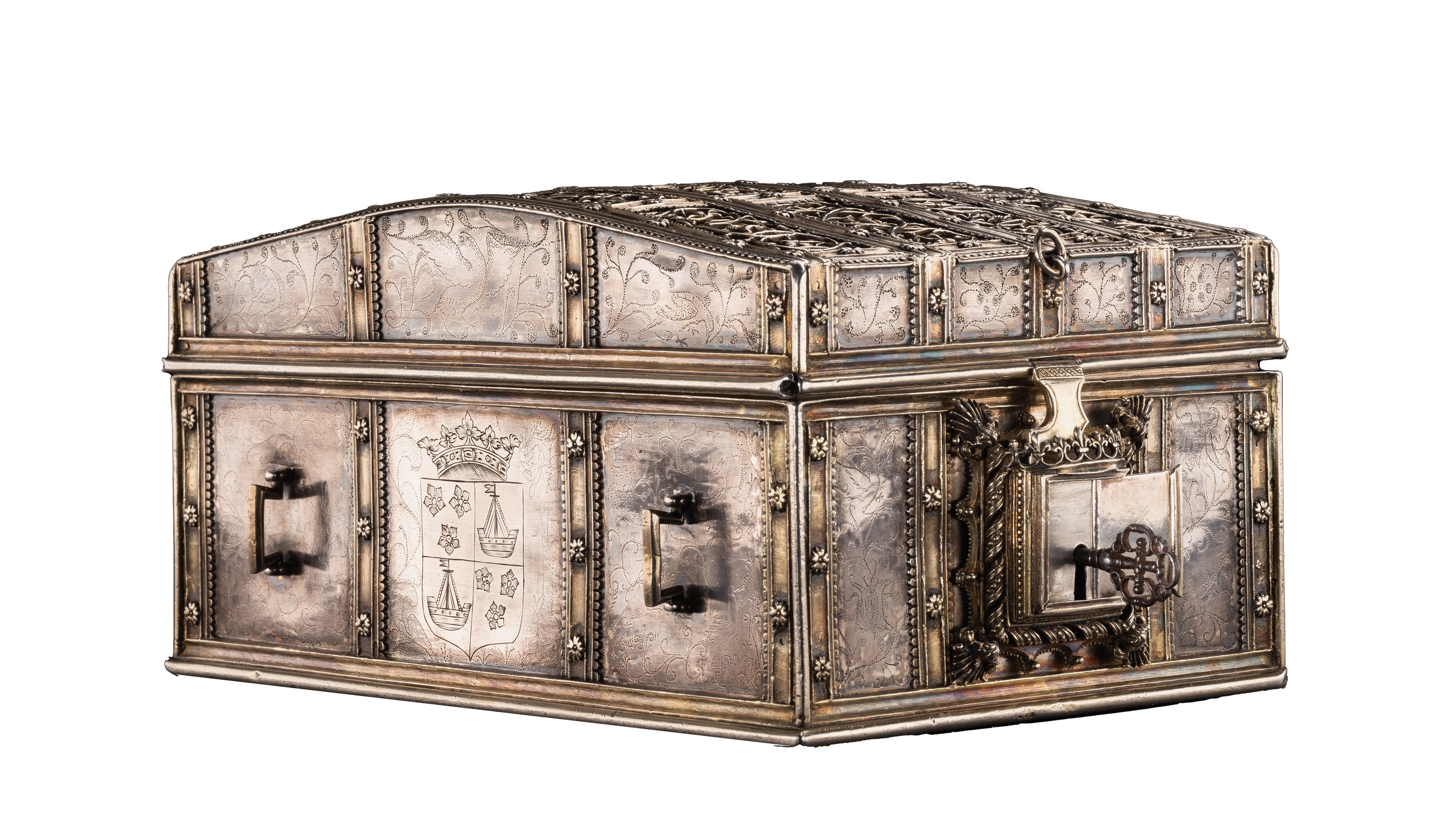
In 1568, Mary fled to England, hoping that her cousin Queen Elizabeth would help restore her to the Scottish throne. This proved a grave miscalculation. Rather than receiving her as a fellow sovereign, Elizabeth had her held captive in a series of castles far from London and the Scottish border, ostensibly while investigating her involvement in Lord Darnley’s murder. The legality of this trial remains a subject of debate among experts. Mary refused to testify, declaring that as a consecrated queen, she could not be judged by any court. The Earl of Moray presented the so-called Casket Letters, allegedly written by Mary and implicating her in the murder of her second husband. The court, following the instructions of Elizabeth I, neither convicted nor acquitted her.

During her long captivity, Mary’s supporters plotted to free her. In 1569, Catholic nobles in northern England rebelled, hoping to rescue her, marry her to the Duke of Norfolk, and restore Catholicism to the country. The revolt failed. Beginning in 1571, Philip II of Spain explored the idea of his illegitimate half brother, Don Juan of Austria, marrying Mary. Juan, a military commander in the Spanish Netherlands just over the sea from England, and Mary would pose a direct threat to Elizabeth, but the plan fell through. Mary became involved in these and other plots, communicating with her supporters through coded letters smuggled in leather pouches hidden inside beer-barrel stoppers.

Death on the scaffold
In 1586, Elizabeth’s head of intelligence, Sir Francis Walsingham, who was well aware of these machinations, uncovered a plot led by the Catholic Anthony Babington to assassinate Elizabeth and place Mary on the English throne. Mary’s enemies had long awaited the opportunity to accuse her of high treason. The conspirators were arrested and executed, and Mary was brought before a hastily convened tribunal, which would conclude with her death sentence. The execution took place on February 8, 1587, in the great hall of Fotheringhay Castle. She was 44.

Contemporary chronicles recorded her final moments, last prayers, the will she dictated, and the crimson color of her dress, which evoked the blood of martyrs. She faced the ax with serenity. Now, in death, Mary Stuart achieved the fame and legacy that eluded her in life. Her tragic end became the true beginning of her legend.
The queen bids farewell to the world