How a dinner gala started the Harlem Renaissance
A prominent cultural and intellectual movement for African Americans arose from an exclusive dinner. The forthcoming literature, art, and music would shape the nation.

The gala dinner held at New York City’s Civic Club in 1924 was nominally in honor of Jessie Redmon Fauset. The 41-year-old editor of The Crisis magazine was publishing her first novel, There Is Confusion, that year. But there was a bigger purpose behind the celebration. The dinner’s organizers, sociologist Charles S. Johnson and philosopher Alain Locke, were bringing together some of the country’s leading writers and intellectuals, both Black and white, to showcase the rising stars of what was not yet called the Harlem Renaissance. Fauset’s book was merely a pretext for this heady gathering.
The Great Migration of African Americans from the South to the North, which began early in the 20th century, had brought artists and thinkers together in cities such as Chicago, Detroit, and notably New York City and its Harlem neighborhood. Stalwarts of civil rights such as W.E.B. Du Bois, as well as intellectual leaders including Johnson (the editor of the journal Opportunity) and Locke (a professor at Howard University), were mentoring these minds. Fauset and these elder statesmen recognized that young talent was creating a “New Negro literature” and needed to be nurtured. Writers such as Gwendolyn Bennett, Countee Cullen, Langston Hughes, and Zora Neale Hurston were just starting out on promising careers. It was time, the organizers thought, to bring them to national attention.
(Before the Great Migration, there was the Great Exodus. Here's what happened.)
The literary magic of Zora Neale Hurston
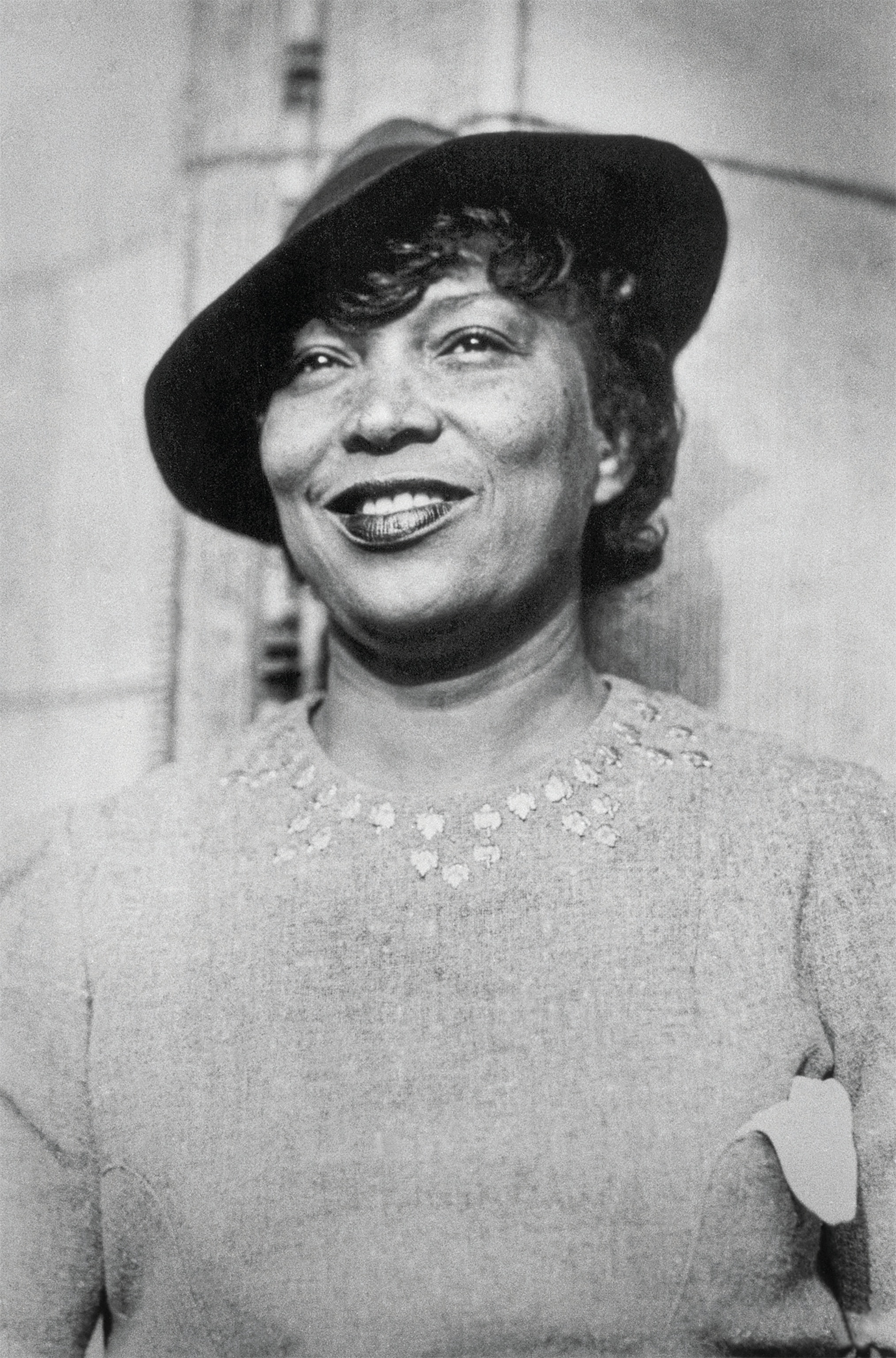
Both Bennett and Cullen were invited to the gala and read from their works. Prominent white writers such as playwright Eugene O’Neill and critic Carl Van Doren were also present. And Johnson did not forget that young creatives needed financial as well as artistic support: Millionaire art collector Albert Barnes was among the influential, monied attendees. Locke, in his remarks, noted that the young writers “sense within their group—meaning the Negro group—a spiritual wealth which, if they properly expound, will be ample for a new judgment and reappraisal of the race.” Fauset spoke as well, thanking her supporters, but she was keenly aware that she was not the star of her own show. Years later, in a letter to Locke, she noted how she “still remember[ed] the consummate cleverness with which you that night as toastmaster strove to keep speech and comment away from the person for whom the occasion was meant.”
(How the Harlem Renaissance helped forge a new sense of Black identity)

A new movement
Fauset’s reputation has faded next to that of Cullen or Hughes, though she is recognized as a champion of up-and-coming writers and as a rare observer of middle-class Black life. But for others, the dinner was a valuable step into the wider literary world. In May 1925, Johnson brought many of them together again in an even bigger awards dinner that included Hughes and Hurston. Hurston went on to publish her play Color Struck in Opportunity in 1925; Hughes debuted his first poetry collection in 1926. They and other young artists sponsored by Locke and Johnson became major voices in 20th-century American literature.
(Why Harlem is New York's most culturally rich neighborhood)
